As an Amazon Associate, we earn from qualifying purchases. Some links on this site are affiliate links at no extra cost to you. Our recommendations are based on thorough research and editorial judgment.


Cleaning and Conditioning Leather Heels to Keep Them Soft

Cleaning and conditioning leather heels is essential for keeping them soft and flexible. Regularly clean with saddle soap and a horsehair brush to remove dirt—protect those beauties! Conditioning every 5-10 wears with a quality water-based conditioner replenishes moisture, preventing cracks and dryness. Remember to store them with cedar shoe trees to maintain shape. A little care goes a long way! If you’re curious to learn more about proper maintenance techniques, keep exploring the tips ahead!
Key Takeaways
- Regularly clean leather heels with saddle soap to remove dirt and oils that harm suppleness.
- Condition every 5-10 wears, or after 4-5 wears in harsh conditions, to replenish moisture.
- Use a high-quality, water-based leather conditioner for best results in maintaining softness.
- Employ a horsehair brush and soft cloth for gentle cleaning and even conditioner application.
- Store heels with shoe trees to keep their shape and prevent drying or cracking.
Importance of Regular Cleaning and Conditioning

Cleaning and conditioning leather heels isn’t just a chore—it’s an essential investment in their longevity. Regular cleaning removes accumulated dirt and oils that can diminish the leather’s natural beauty and flexibility. Imagine wearing your favorite heels, only to discover they’re cracked and lifeless—yikes! Conditioning every 5-10 wears replenishes moisture, preserving the original suppleness. In harsh winter months, consider conditioning after every 4-5 wears to combat the effects of salt and moisture. A high-quality, water-based leather conditioner is your safest bet—think of it as a spa day for your shoes. These care tips can greatly extend the lifespan of leather heels, keeping them looking fabulous for years. Trust me; your future self will thank you when you sidestep the dreaded repair bills! Additionally, maintaining the leather’s material breathability helps prevent moisture buildup and keeps your heels comfortable for long office wear.
Tools and Supplies for Caring for Leather Heels

Having the right tools and supplies for caring for leather heels can make all the difference in maintaining their beauty and longevity. Start with saddle soap or a quality leather cleaner for deep cleaning—this will remove tough grime. A horsehair shoe brush efficiently gets rid of dirt, while a soft cloth is ideal for applying leather conditioner. Remember, using a watery conditioner keeps your leather supple without damage, an absolute must! For polishing, grab a polishing cloth to guarantee even coverage—think circular motions. Don’t forget cedarwood shoe trees: they absorb moisture, helping maintain shape. Finally, before that first wear, apply a waterproofing spray specifically for leather. Trust me, your heels will thank you for it! Using a contoured footbed can also help maintain the shoe’s shape and overall comfort after cleaning and conditioning.
Recommended Products

GLADIATOR-INSPIRED STYLE WITH PREMIUM CRAFTSMANSHIP: The Revere Toledo Women's Gladiator-Inspired Sandals combine supple leather uppers with striking metal studs for a chic, effortless look. Inspired by the classic gladiator design, these sandals feature an open front perfect for those with hammer toes while providing exceptional support with back straps that secure the arch, heel, and forefoot. These sandals are a stylish addition to any outfit while offering the support your feet need.

ELEGANT DESIGN WITH ENHANCED COMFORT: Infuse your wardrobe with a touch of dolce vita through the Sicily shoes. This stylish mary jane silhouette brings a sophisticated flair while offering the ultimate comfort for plantar fasciitis. With its subtle heel lift and plush cushioning at the heel, these shoes are designed to combine classic elegance with modern sensibilities. Ideal for those seeking a refined alternative to sandal wedges, the Sicily shoes seamlessly blend style with all-day comfort.

MASTER THE ART OF SHOE CARE! From polish creams to cedar valet luxury, this set delivers everything you need for a professional-grade shine at home.
Steps to Prepare Your Leather Heels for Cleaning

Before diving into the cleaning process, it’s vital to set the stage for your leather heels. First, gather your essentials: saddle soap, a soft cloth, and a horsehair brush to effectively clean them. Next, prepare your workspace by covering the surface with an old towel or newspaper—nobody wants a mess! If your shoes have laces, remove them; this allows for thorough cleaning and conditioning. Insert shoe trees or crumpled newspaper into the heels to help maintain their shape during the process. Finally, use that horsehair brush to remove any surface dirt; this step guarantees the leather is clean and ready for deeper treatment. With these simple preparations, your heels will be set for some serious pampering! For the best results, always use high-quality genuine leather to ensure breathability and longevity during cleaning and conditioning.
How to Clean Leather Heels Effectively

A well-cared-for pair of leather heels can elevate any outfit, but achieving that pristine look starts with the right cleaning routine. Begin by brushing off dirt and debris with a soft horsehair brush. This prevents scratches on the leather surface. For a gentle clean, use a damp cloth or saddle soap in circular motions to remove stains. If scuff marks appear, apply a small amount of leather conditioner on a soft cloth and rub it in gently. Afterward, let those leather heels air dry naturally in a well-ventilated space—remember to avoid direct sunlight or heat. Regular maintenance is key; conditioning your heels every 4-5 wears helps maintain their softness and prevents cracking. Incorporating materials that promote breathability can also help reduce moisture buildup and keep leather heels comfortable over time. Happy cleaning!
Recommended Products


Iconic Heritage Design: The Classic Moc 6-inch boot features the unmistakable moc toe silhouette that has defined heritage boots for over 70 years, blending timeless style with the rugged appeal of men’s leather boots

MATERIALS: Ultra soft microfleece lining offers comfort and warmth in colder environments
Conditioning Leather Heels for Optimal Softness

Why is conditioning leather heels so important for their longevity? Regular conditioning is key—about once a month or after every four to five wears. This crucial step replenishes essential oils, keeping the leather soft and preventing those dreaded cracks. It’s best to choose a quality, water-based conditioner to guarantee safety for most leather types, including patent leather. To apply, use a soft cloth and work the conditioner into the leather in gentle circular motions, allowing for even distribution. This process deeply nourishes the leather, reviving its appearance. Remember, proper care is necessary; it not only enhances the look but also helps extend the life of those cherished heels! Just think of it as pampering your shoes—who wouldn’t enjoy that? Additionally, maintaining arch support ensures your heels remain comfortable and healthy to wear over long shifts.
Recommended Products

Water Based Leather/Vinyl Deep Damage Repair Filler - VERY DURABLE!!!

WARNING: This product can expose you to chemicals including Toluene which is known to the State of California to cause birth defects or other reproductive harm. For more information please visit the official P65Warnings.ca website.

Versatile Multi-Surface Application: AIM Chemicals' VLR is perfect for interiors, exteriors, and engines, offering a reliable solution for various vehicle surfaces. Easily clean and condition leather seats, vinyl upholstery, dashes, door panels, and mats with one product.
Tips for Wiping Off Excess Conditioner
When it comes to caring for leather heels, mastering the art of wiping off excess conditioner is essential. After applying conditioner, allow it to sit for about 15-20 minutes for ideal absorption. Then, grab a clean, dry cloth—preferably a lint-free one—to gently remove excess conditioner. Focus on tricky areas like creases and seams, where residue tends to collect. This helps maintain the appearance of your soft leather. Avoid using rough cloths; they can scratch or damage your beloved shoes. Think of it this way: you wouldn’t want sandpaper for a spa day! Proper leather care means elegance without the hassle, ensuring your heels remain clean and chic for many strides to come. Regular maintenance with leather conditioner preserves appearance and extends the durability of your shoes. Happy cleaning!
Allowing Your Leather Heels to Dry Properly
Leather heels deserve a good drying session, just like a cozy pair of slippers after a rainy day. To air dry properly, place them in a well-ventilated area away from direct sunlight and heat sources. Excessive heat can warp the leather—yikes! Stuffing the insides with newspaper or a shoe tree not only helps maintain shape but also absorbs excess moisture. Remember, waiting 24-48 hours is key for complete drying, ensuring they remain supple and smelling fresh. If moisture lingers, mildew could crash the party and leave unpleasant odors. So, be patient, and your beloved heels will thank you with comfort and longevity. After all, no one wants cranky, damp shoes! For added comfort during city walking, choosing leather with breathability helps keep feet cool and dry, enhancing overall wearability.
Storing Leather Heels for Longevity
Properly storing leather heels is essential for keeping them in tip-top shape, especially after a whirlwind night out or a long day at the office. To protect leather, always store your shoes in a cool, dry place, away from direct sunlight, which can cause discoloration. Using breathable material like cotton dust bags or soft pouches can safeguard them from dust and scratches. Avoid cramming your heels together; instead, maintain structure by spacing them apart—no one likes a squished shoe! Additionally, consider incorporating shoe trees to prevent creasing. Finally, make it a habit to regularly rotate the pairs you wear. This simple practice allows each shoe time to recover from stress, extending their lifespan while you enjoy stepping out in style! Proper arch support is also important to maintain shoe shape and foot comfort over time, preserving both shoe stability and long-term wearability.
Common Issues and Solutions for Leather Heels
Maneuvering through the world of leather heels can feel like a journey filled with potential pitfalls, but understanding common issues and their solutions makes all the difference. For instance, regular conditioning every 5-10 wears helps prevent cracks and keeps the leather soft and supple. If water stains appear, gently clean and treat them with a damp cloth, while stubborn salt stains call for a vinegar-water mix. To shield your heels from annoying scuffs, applying a high-quality leather polish works wonders—it adds shine and forms a protective layer. Remember, maintaining moisture through conditioning is essential to avoid deterioration over time. Last but not least, don’t underestimate preventative care; a waterproof spray can be a game changer for longevity! Also, choosing heels with breathability features can help reduce moisture buildup and keep your feet comfortable throughout the day.
Recommended Products

Premium Water-Resistant Leather: The #550 boots are crafted from walnut brown premium water-resistant leather, ensuring your feet stay dry and comfortable in various weather conditions. The rich, durable leather provides a timeless look that stands up to daily wear and tear.
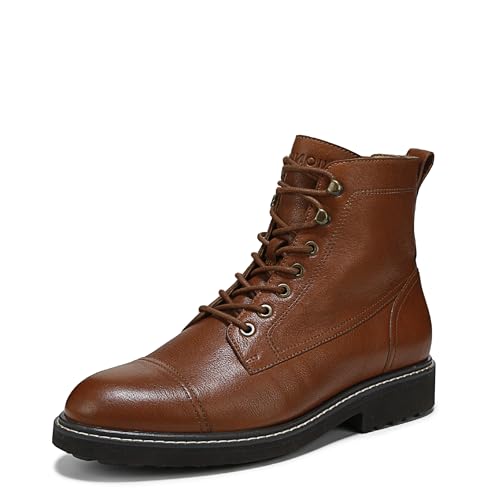
Men's oxford boot with premium upper materials

Important Note: The AU size is stamped on the bottom of the boots, not the US size. Inspired by nature, the Blundstone Classics 2442 Unisex Nubuck Leather Chelsea Boots in forest green blend timeless craftsmanship with rugged outdoor style.
Preventative Measures to Protect Leather Heels
Taking a few simple steps can dramatically extend the life of leather heels. Regular cleaning leather with saddle soap and applying a high-quality leather conditioner every 5-10 wears keeps the material soft and supple. To combat moisture and stains, a waterproofing spray should be used before the first wear and reapplied after cleaning. It’s equally important to store leather heels properly; using shoe trees or stuffing them with tissue paper helps maintain shape and prevent creasing. Also, avoid direct sunlight and heat sources, as these can lead to drying and cracking. Implementing this cleaning routine not only protects footwear but also keeps those stunning leather heels looking fabulous for years to come! A proactive approach can truly make a difference! Additionally, choosing leather with breathable linings can enhance comfort and prolong the material’s quality during extended wear.
Recommended Products

Ultimate Tactical Comfort: The Moab 2 Mid Tactical Response Waterproof boasts the same out-of-the-box comfort as the original Moab hiking boot, ensuring an unparalleled level of comfort during tactical operations.

Zipper On The Side: Side Zipper Closure Makes Them Easy To Get On And Off. This means whether you are walking, jumping or simply sitting in the saddle, the boots will sit properly on your foot while still providing all the support you .

CRISPI Waterproofing Cleaning Spray is a waterproofing oil for suede, nubuck and textiles. It does not stain or alter the colours, maintaining the breathability.
Signs That Your Leather Heels Need Professional Care
When leather heels start to show their age, it’s essential to know when to seek professional care. If you notice cracking or significant dryness, it’s a clear sign they need help to restore softness. Remember when your heels lost their shape and became stiff? That’s a cue for conditioning treatment. Dull, discolored leather often signifies that cleaning and polishing are overdue. Persistent scuffs or those pesky stains that regular cleaning just won’t budge? They suggest it’s time for professional attention. Finally, if you feel rough patches or raised spots, don’t ignore them; they indicate deeper issues requiring expert care. Regular check-ins can keep your favorite pairs looking fabulous and extend their life—because who wants to say goodbye to beloved heels?
Frequently Asked Questions
How to Soften Leather Heels?
To soften leather heels, utilize various leather types and softening techniques. Incorporate moisture control, shoe stretching, and natural oils. Apply heat carefully, alongside proper storage and consistent maintenance tips for ideal flexibility and comfort.
How to Condition Leather Heels?
To condition leather heels, use saddle soap followed by leather creams or conditioning oils. Employ effective application techniques, guarantee absorbency during testing, select the best products, and follow care routines for ideal results and longevity.
How to Soften Leather That Has Hardened?
To soften hardened leather, utilize heat softening techniques with care, apply natural leather oils for moisture retention, and explore leather restoration methods. Vinegar solutions and protective leather sprays can also aid in rejuvenating the material.
How to Avoid Damaging Leather With Conditioner?
“An ounce of prevention is worth a pound of cure.” To avoid damaging leather with conditioner, consider leather conditioner types, always test patches, apply techniques sparingly, and choose natural products to minimize long-term effects from excess.


