As an Amazon Associate, we earn from qualifying purchases. Some links on this site are affiliate links at no extra cost to you. Our recommendations are based on thorough research and editorial judgment.


Everyday Heels vs. Flats: Which Are Actually Better for Your Feet?

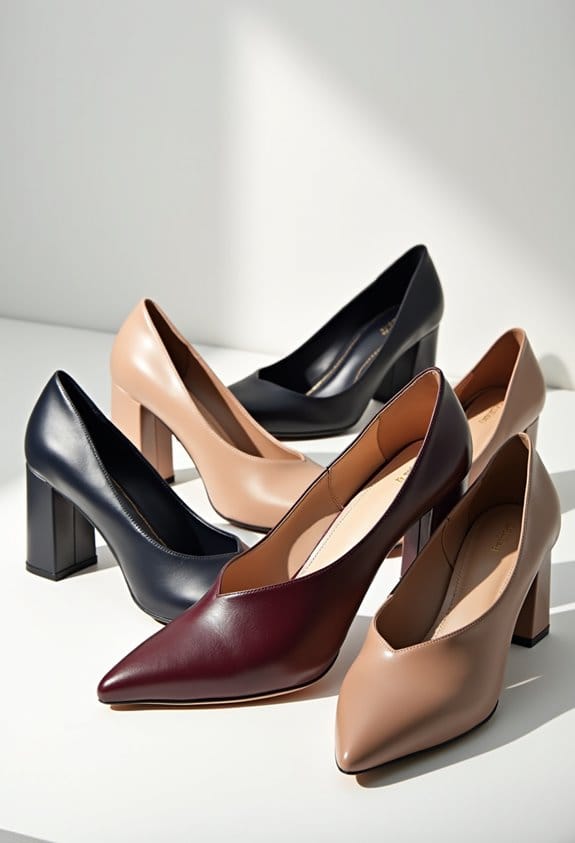
When comparing everyday heels and flats, it’s clear both have their downsides. High heels, for instance, can lead to bunions and chronic pain, as 71% of wearers report discomfort. On the flip side, many flats lack arch support, which can result in foot fatigue. A low-heeled shoe with cushioning and breathable materials usually strikes a good balance. There’s stylish comfort out there—you just need to know where to look! So, let’s explore the best options for your feet.
Key Takeaways
- High heels are associated with significant foot issues and chronic pain, affecting 71% of regular wearers.
- Most flats lack adequate arch support, contributing to foot pain and increased risk of fallen arches.
- Alternating between heels and flats can help minimize foot strain and enhance overall comfort.
- Supportive footwear with proper cushioning and arch stability is essential for maintaining foot health.
- Finding a balance between style and comfort is crucial to prevent long-term foot problems.
Understanding the Impact of High Heels on Foot Health

When it comes to foot health, the elegance of high heels can often overshadow the lurking dangers they pose. Many women experience foot pain due to wearing high heels, which can alter walking patterns and result in a forward-tilting posture. Research shows that a staggering 71% of high heel wearers report foot issues, with chronic use leading to conditions like bunions and ingrown toenails. On average, one-third of regular users may face lasting foot damage. Curiously, half of those who struggle with poor foot health tend to reduce their physical activities. While high heels are undeniably stylish, the often-overlooked repercussions highlight the importance of considering alternatives—like wearing flats—to promote better foot health and comfort. Choosing shoes with proper arch support can significantly alleviate pain and prevent further damage.
The Hidden Dangers of Flats: What You Need to Know

Many might assume that flats are a safer choice when compared to high heels, but there are hidden dangers lurking beneath their stylish exterior. While they may look comfy, many flats lack adequate arch support, increasing the risk of foot pain, fallen arches, and even plantar fasciitis. The friction from poorly-fitting flats can lead to blisters and callouses, turning a fashion statement into a pain in the foot. Plus, the minimal fastening options often result in a less secure fit. Over time, these factors can stress the Achilles tendon, leading to chronic issues. So while flats are trendy, they can come with their own set of challenges—choose wisely to keep your feet happy! Incorporating arch support into your flats can help alleviate some of these common problems.
A Comparative Analysis: Heels Versus Flats

Choosing the right footwear is like picking the perfect playlist for a road trip—it can set the tone for your entire day! High heels, especially those over three inches, can indeed create a stylish silhouette, but they carry a hefty risk for foot pain and problems. Here’s the kicker: about 71% of women report foot pain from heels! On the other hand, while flats seem harmless, they might deliver their own dose of discomfort, contributing to issues like fallen arches due to lack of arch support. Both options can lead to chronic pain, resulting in blisters or callouses. The consensus? Alternating your footwear may just be the key to keeping those feet happy and healthy. Who knew shoes could make or break your day? Incorporating footwear with built-in arch support can help prevent foot fatigue and promote overall comfort throughout the day.
Recommended Products

sku=36768103-6


Ample Storage & Display Space: Features open shelves for media devices and decor, closed cabinets to hide clutter, and glass-fronted display cases to showcase your favorite collectibles, books, and family photos
The Recommendations for Balanced Footwear Choices

Absolutely, balancing footwear choices is essential for happy feet! Moderation in wearing high heels and flat shoes is key to maintaining proper foot health. For those long days when comfort is vital, low-heeled shoes with a broad base provide a stable alternative. Alternating between different styles can also work wonders—think about switching shoes mid-day to combat discomfort and prevent cramps. Pro tip: always keep a spare pair of comfy shoes for commuting! They can be a lifesaver after a day of wearing high heels. And if foot pain becomes a constant companion, consulting a podiatrist can offer personalized foot care advice to keep you balanced and pain-free. After all, happy feet lead to happy adventures! Choosing shoes with arch support and cushioning can significantly reduce foot strain and promote lasting comfort throughout the day.
Recommended Products

Basketball Shoes

100% Suede Leather/Mesh

RUGGED MOUNTAIN PERFORMANCE - Engineered for demanding terrains, the Kenetrek Men's Mountain Guide NI Boots feature 2.8mm high-quality leather uppers with a one-piece vamp construction; This seamless design improves abrasion resistance and waterproofness for long-lasting durability
Modifying Your Shoe Wardrobe for Better Foot Health

Finding the right footwear can feel like an ongoing adventure, but modifying a shoe wardrobe with a focus on foot health doesn’t have to be complicated. To start, alternate between shoes—wearing high heels in moderation while incorporating low-heeled options for stability. Look for styles with a broad base, as they help prevent foot problems during long days. Make sure shoes are wide enough and fit comfortably to avoid discomfort from tightness. Keeping a spare pair of comfy shoes for changes, like on your commute, can be a game changer. Plus, don’t forget about consulting a podiatrist for tailored shoe recommendations—your feet will thank you! After all, happy feet mean happier days ahead! Additionally, choosing heels with cushioned insoles and arch support can significantly reduce foot fatigue on long days.
Recommended Products

Pig suede leather upper

Waterproof Assurance: The FRYE Campus 14L Tall Leather Boots feature waterproof construction, ensuring dry feet in wet conditions. Unlike typical fashion boots, these provide protection against the rain, making them suitable for unpredictable weather while embodying timeless style
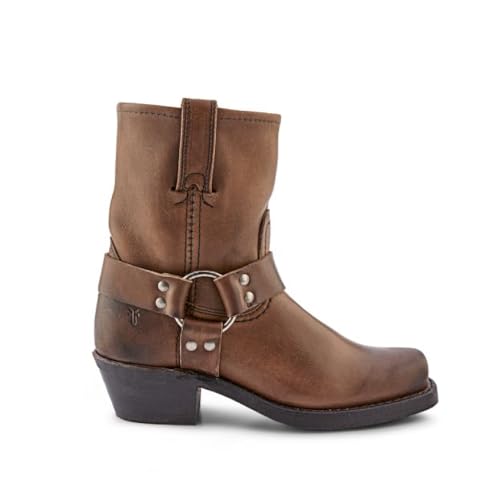
The Frye® Harness 8R is a classic motorcycle-inspired boot that is sure to be a timeless and versatile addition to your wardrobe.
The Importance of Foot Support in Daily Footwear
Foot support plays an essential role in maintaining everyday comfort and long-term health. Proper footwear should provide adequate heel and arch support to prevent discomfort not only in the feet but also in related areas like the lower back and knees. Unsupported shoes, especially flats, may lead to issues such as fallen arches and plantar fasciitis, which can limit physical activity over time. As the height of one’s arch can change with age, individualized shoe support becomes vital. Choosing shoes that fit well—considering proper length, width, and having features like multiple eyelets for better lacing—ensures balance and comfort. In the end, shoes with strong foot support are best for keeping both your feet and your overall well-being in check! Effective footwear often includes contoured arch support designs that match natural foot curves to enhance comfort throughout the day.
Recommended Products

Peep-toe sandal featuring lace-up vamp and wraparound ankle tie

Abrasion-resistant mesh with microfibre reinforcement band with coating

Material - Upper: Leather (nubuck)
Recognizing Signs That You Need Professional Help
Recognizing when it’s time to seek professional help for foot issues can feel like maneuvering through a maze without a map. If you experience persistent pain or chronic foot discomfort after wearing heels or flats, it’s time to consult a podiatrist. Many women—up to two-thirds—suffer lasting damage from high heel use, so don’t ignore those signs! Mobility challenges or unrelenting foot and lower back pain can worsen without proper care. Additionally, conditions like ingrown toenails or bunions can escalate, requiring expert diagnosis. If you find yourself constantly questioning whether you need shoes that offer better support, prioritize your foot health and seek regular check-ups. After all, happy feet lead to happier adventures! Choosing shoes with proper foot support can significantly reduce the risk of long-term damage and discomfort.
Exploring Stylish Alternatives: Finding Supportive Flats
After acknowledging the importance of professional help for persistent foot problems, it’s time to embrace a more stylish yet supportive approach to footwear. Supportive flats can be your best friend when it comes to comfort. Look for a wide toe box—these prevent cramped toes and enhance overall foot health. Prioritize options with good arch support and cushioning to ward off discomfort stemming from inadequate support. Materials like soft leather provide the necessary flexibility and comfort, ideal for those with bunions or wider feet. Additionally, rubber soles offer excellent stability and shock absorption, making each step feel lighter. For a tailored fit, consider flats with adjustable features, reducing friction and ensuring your outfits are as comfortable as they are fabulous! Choosing shoes with breathable materials helps keep feet cool and dry, adding to overall comfort throughout the day.
Recommended Products

Nestl Adjustable Bed Frame: Adjustable elevation to suit your needs, with ergonomic positions for head elevation and foot elevation. King size base measures 74” W x 79” L x 15” H, with 850 lb. weight capacity. Mattress not included

Adjustable Head & Foot Angles for Personalized Comfort: Lift the head up to 65° and the feet up to 45°. Perfect for reading, reducing back pressure, or enjoying Zero Gravity mode. A versatile smart adjustable bed designed for deeper rest and faster recovery.
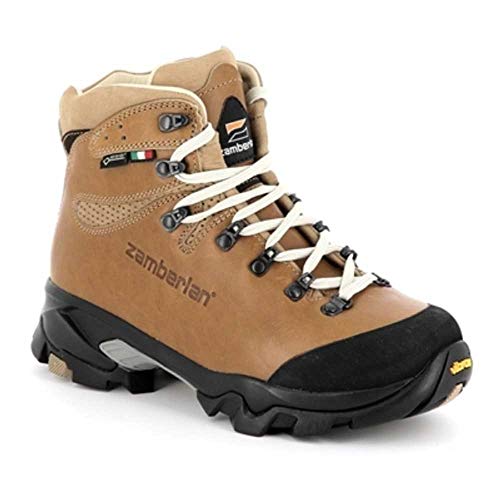
Rubber toe rands with PU coating boost boot durability and extend leather upper lifespan, particularly around the toe bump
Foot Care Tips for Everyday Comfort
Comfort in everyday footwear is like finding the perfect pair of jeans; it can transform your entire mood. To guarantee happy feet, regular alternation between heels and flats is key. When you wear heels, consider options with a wide toe box to prevent pinching—seriously, no one enjoys that! If you choose to wear flats, make sure they have proper arch support to fend off discomfort. Foot care tips also include investing in cushioned insoles; they’ll absorb shock and ease the strain on your joints. Regularly consulting with a podiatrist can pinpoint any issues, guiding you to the best shoe choices. Above all, a good fit is vital—blisters and callouses are not the latest fashion trend! Wearing shoes with proper cushioning and support can significantly reduce foot fatigue. Happy shoe hunting!
Embracing Personal Style While Prioritizing Foot Health
While it might feel tempting to choose between style and comfort when selecting footwear, a savvy approach finds a perfect blend of both. Embracing personal style while ensuring foot health is achievable with thoughtful choices. Those who wear heels often face discomfort—71% report pain from frequent use; meanwhile, flats can lack support, risking conditions like plantar fasciitis. Opt for stylish flats that provide proper foot support, cushioning, and arch stability. Look for shoes with thick soles or gel inserts that can easily turn heads and keep you comfortable. Alternating between heels or flats during the day helps minimize strain, allowing feet to breathe while showing off your fabulous fashion sense. After all, no one wants to compromise beauty for comfort—or vice versa! Choosing footwear with cushioned insoles and good arch support is essential to reduce foot fatigue and enhance all-day comfort.
Frequently Asked Questions
Are Flats or Heels Better for Your Feet?
Flats may offer less comfort level and ankle support than heels, depending on style choices. However, both shoe types can lead to long term effects on foot health, necessitating careful consideration during selection and wear.
What Is the Healthiest Shoe for Your Foot?
The healthiest shoe for one’s foot emphasizes proper arch support, daily wear comfort, and a heel height impact of no more than two inches, ensuring ideal foot fitness and alignment throughout extended periods of use.
Why Do Podiatrists Hate Ballet Flats?
Podiatrists criticize ballet flats due to discomfort linked to inadequate arch support issues, resulting in foot muscle fatigue. Their narrow design creates toe constraints, exacerbating problems like blisters and bunions, ultimately compromising overall foot health.
Are Flat Shoes Better for Foot Health?
“All that glitters is not gold.” Flat shoes may enhance comfort levels but often lack sufficient arch support and cushioning qualities, potentially leading to foot fatigue and long-term issues, urging careful consideration in footwear choices.