As an Amazon Associate, we earn from qualifying purchases. Some links on this site are affiliate links at no extra cost to you. Our recommendations are based on thorough research and editorial judgment.


Are Back-Up Flats Actually Saving Your Feet or Just a Band-Aid?

Back-up flats can be a lifesaver when uncomfortable shoes strike—think of them as a much-needed pair of fluffy bunny slippers for your tired feet! But here’s the kicker: they lack proper support, which means they can cause issues like plantar fasciitis if relied on long-term. Ideally, look for flats with cushioned insoles and a slight heel, about half an inch, for better alignment. Want tips on choosing the right footwear for your feet? Keep exploring!
Key Takeaways
- Back-up flats provide temporary relief from uncomfortable shoes but lack the necessary support for long-term foot health.
- They serve as an emergency solution for brief periods of wear, not a substitute for proper footwear.
- Without adequate arch support and cushioning, back-up flats risk exacerbating foot issues like plantar fasciitis.
- A slight heel and well-padded insole can enhance comfort; however, they still fall short compared to supportive shoes.
- Long-term reliance on back-up flats may lead to dependency and worsening foot problems rather than sustainable relief.
Understanding Back-Up Flats

When the heels start to pinch and the blisters begin to form, it’s good to know that back-up flats are just a purse away. Designed for on-the-go comfort, these lightweight, foldable shoes offer quick relief from uncomfortable footwear during events. However, they come with a caveat. Many back-up flats lack the necessary support for extended wear, which can lead to foot pain, plantar fasciitis, or arch issues. A small heel or added arch support can enhance comfort considerably. For instance, some brands offer flats with a cushioned insole—these can be your best friends! While they solve immediate issues, remember, back-up flats should be a short-term solution for your foot health, not a long-term fix. Invest wisely! Choosing flats with memory foam cushioning can provide better support and reduce strain on the plantar fascia during wear.
The Importance of Proper Footwear

Choosing the right shoes plays a foundational role in foot health. It’s surprising to learn that ill-fitting shoes affect 70% of people! Supportive shoes prevent foot pain and serious issues like long-term bone changes. Tight, restrictive footwear can squish your toes—ouch! On the flip side, overly loose designs can heighten friction-related problems. A slight heel, rather than a completely flat shoe, actually helps reduce strain on the plantar fascia. Properly fitted footwear caters to individual foot shape and provides essential support, which is crucial for overall well-being. If unsure what to get, consider consulting a podiatrist for tailored advice—think of it as preventive maintenance for your feet. Remember, happy feet lead to a happier you! Incorporating arch support heels can enhance comfort by keeping feet aligned and alleviating pain.
Recommended Products

Potential Risks of Using Back-Up Flats
Despite their cute appearance and trendy charm, back-up flats can often lead to foot woes that many don’t expect. These stylish shoes typically feature thin soles, which result in a serious lack of support. Such inadequacy can aggravate issues like plantar fasciitis and even cause stress fractures. Imagine relying on a shoe that folds up like an origami crane—hardly ideal for foot health! Furthermore, excessive use may merely mask existing conditions instead of tackling the root causes of discomfort. It’s essential to regard custom orthotics or supportive alternatives. Your feet deserve better than flimsy flats, and finding the right fit means preventing longer-term complications, keeping every step you take comfortable and pain-free. Why compromise on foot health? Choosing footwear with proper arch support importance can significantly reduce discomfort and protect your feet over time.
Recommended Products


Premium Oil-Tanned Leather: Handcrafted from durable black oil-tanned leather that resists everyday wear while developing character over time. The 16-inch shaft provides extended coverage for riding, work, and outdoor use.
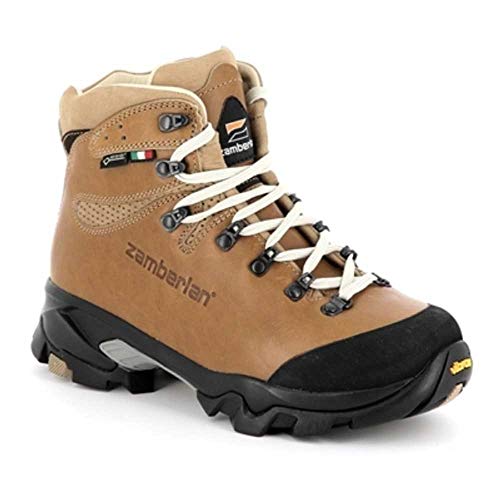
Rubber toe rands with PU coating boost boot durability and extend leather upper lifespan, particularly around the toe bump
Evaluating Comfort and Support

Finding the perfect pair of back-up flats feels like uncovering a hidden treasure in a shoe store. However, one must evaluate comfort and support to avoid foot troubles down the road. Many back-up flats feature thin soles that can lead to discomfort, especially during long wear. Research shows these styles may strain the plantar fascia and Achilles tendon. Opting for options with slight heel elevation—around half an inch—can work wonders, as a small heel reduces tension and improves alignment. Additionally, look for a padded insole because it enhances comfort and diminishes potential issues. Choosing well-designed flats may seem tedious, but great support can turn those hidden treasures into everyday heroes for happy, pain-free feet! Shoes with removable insoles offer added flexibility for customizing comfort to individual foot needs.
Recommended Products

The lappland is a fully adjustable backstrap sandal with two hook and loop straps at the instep

Leather and or fabric uppers

Sam Edelman's Iconic Linnie Mule
Key Features to Look for in Flats

When searching for the perfect flats, it’s essential to pay attention to key features that prioritize both comfort and functionality. Look for shoes with a stable, stiff sole that bends at the toe box. This design reduces arch strain—your feet will thank you! A well-padded insole is also vital to prevent foot pain and absorb shock, particularly during long days.
Aim for a slight heel elevation of half an inch to one inch, as this helps lessen tension on the lower back. Don’t forget about the toe box; opt for a wide, structured one to let your toes breathe and move naturally. Supportive features like arch support will make a world of difference for your overall foot health—trust me! Additionally, selecting flats made with breathable materials can help keep feet cool and reduce moisture build-up throughout the day.
Recommended Products

Mid Century Recliner Chair: Combining a clean-lined design with the natural appeal of rubberwood in a brown finish. The seating area and back are upholstered in genuine leather for a great comfort where it counts, while the tastefully curved arms and optional color palettes adds fashion-forward flair. This recliner creates a center of indoor decor by adding simplistic design art, and fits well with decors from mid-century modern to country chic. Ideal for home office, great room and living room.

1️⃣ Ultimate Customization for Restful Sleep - This split king adjustable bed with hypoallergenic mattress transforms your sleep with 55° head tilt and 42° foot elevation — engineered to open airways, reduce snoring, and align your spine for pain relief. Perfect for reading, relaxing, or combating acid reflux, this bed adapts to your needs.

【Conquer Steep Hills & City Streets with Ease】Powered by a 1100W peak motor and 90N·m torque, Aipas ebike easily climbs 20° steep hills and reaches 28Mph top speed. Instant acceleration and smooth power give you total control, whether weaving through city traffic or tackling rugged slopes. Engineered for efficient commuting, weekend cruising, and long-distance adventures, this electric bicycle delivers speed, climbing muscle, and all-day reliability in one ride.
Alternatives to Back-Up Flats
For those on the lookout for stylish yet supportive alternatives to back-up flats, the options are plentiful and exciting! Supportive sandals are perfect for warm days—think adjustable straps and cushioned soles that keep feet comfy. Block or stacked wedge heels not only look chic but also promote better foot alignment. Loafers, especially those with structured support, are a great pick—so fashionable yet so much easier on the feet compared to traditional ballet flats. Custom orthotics can help too, slipping into any of your favorite pairs for added support. And don’t forget those ballet flats that feature slight heels or extra cushioning—definitely a win-win for style and comfort! Invest wisely; your feet will thank you! Choosing footwear with a wide toe box and flexible materials is essential for preventing bunion pain.
Recommended Products

Sport type: athletic handball

Material - Upper: Leather (nubuck)

Lace-up closure for easy on-and-off wear.
Expert Opinions on Foot Health
Although many may reach for back-up flats in a pinch, experts often advise choosing footwear that genuinely supports foot health. Podiatrists emphasize that conventional flats typically lack essential arch support and flexibility. These styles can squeeze toes into a narrow toe box, leading to discomfort and long-term issues like plantar fasciitis. While options like ballet flats with padded insoles improve comfort, they still might not provide the stability needed for extensive walking. Consider alternatives: shoes with a slight heel or supportive structure enhance foot health remarkably. Trust me, a well-fitting shoe can make all the difference! In fact, it’s estimated that 70% of us wear shoes that don’t fit right—who knew choosing footwear could be this tricky? Choosing heels with wide toe boxes and cushioned insoles can significantly improve comfort and prevent foot problems.
Long-Term Impact of Footwear Choices
Choosing the right footwear is more than just a fashion statement; it’s a long-term investment in overall health. Over 70% of people unknowingly wear shoes that don’t fit well, leading to chronic foot issues like plantar fasciitis. When they opt for flats without support, they may provoke conditions like Achilles tendonitis instead of providing relief. Inadequate cushioning can strain the plantar fascia, causing discomfort that spreads to the knees and hips. Sure, orthotics may help—but relying solely on them won’t fix poor footwear choices. Imagine stepping into a pair of well-designed shoes with arch support that feels like walking on clouds! Consult a podiatrist to discover footwear that combines style with necessary support—your feet will thank you for it later! Prioritizing arch support in your shoes acts as a shock absorber and prevents further foot misalignment, helping reduce pain and discomfort long term.
Frequently Asked Questions
Why Do Podiatrists Hate Ballet Flats?
Podiatrists dislike ballet flats due to insufficient arch support, lack of cushioning, and flat soles, which can lead to foot pain and injuries. They recommend flat shoe alternatives that provide better support and comfort for prolonged wear.
Are Flats Good for Your Feet?
Flats can be detrimental to foot health, often lacking necessary support and comfort. Choosing well-structured options with adequate cushioning and arch support is essential to mitigate risks associated with prolonged wear and foot-related injuries.
Can Flat Shoes Damage Your Feet?
Approximately 70% of people wear ill-fitting shoes, highlighting the potential dangers of flat shoes. Poor foot mechanics in these models can lead to pain and injuries, emphasizing the need for proper footwear support and design.
Who Should Not Wear Ballet Flats?
Individuals with foot health issues like plantar fasciitis, ankle instability, heel pain, bunions, or frequent foot fatigue should avoid wearing ballet flats, as their minimal support can exacerbate pain and discomfort in these conditions.