As an Amazon Associate, we earn from qualifying purchases. Some links on this site are affiliate links at no extra cost to you. Our recommendations are based on thorough research and editorial judgment.


10 Simple Foot Stretches to Do Before and After Wearing Heels

Before and after slipping into those stylish heels, try these ten simple foot stretches to keep discomfort at bay. Start with calf raises for strength and wall-facing calf stretches to lengthen tight muscles. Don’t forget ankle rotations for flexibility and toe curls to stabilize your feet. A quick massage with a tennis ball can release tension too—trust me, it’s heavenly! Give your feet the love they deserve, and there’s much more to discover to elevate your comfort!
Key Takeaways
- Perform calf raises to strengthen calf muscles and improve foot function before and after wearing heels.
- Use a wall-facing calf stretch, holding for 20 to 30 seconds to lengthen calf muscles and relieve tension.
- Incorporate toe curls to enhance foot stability by targeting smaller muscles crucial for balance while in heels.
- Engage in ankle rotations to promote joint mobility and flexibility, reducing discomfort from prolonged heel wear.
- Utilize a tennis ball or frozen water bottle for foot massage, releasing tightness in the arch and improving overall foot health.
What Is Heel Pain?

Heel pain—oh, what a nuisance that can be! Many people experience discomfort stemming from strain in the tendons and tissues of the foot, particularly at the heel’s back or underside. One common cause is plantar fasciitis, where the ligament on the foot’s bottom becomes irritated. This condition often leads to sharp, stabbing sensations, especially in the morning—imagine feeling like a baby giraffe trying to walk! Another contributor to heel pain can be issues with the Achilles tendon, which connects calf muscles to the heel. Recognizing these symptoms early is key. If left untreated, heel pain can limit mobility and affect daily activities. Consulting with a professional can make all the difference, providing timely relief and restoring comfort to every step. Wearing shoes with proper arch support can also significantly reduce strain and discomfort associated with heel pain.
Common Causes of Heel Pain

Many individuals find themselves wondering why their heels ache, especially after a long day spent on their feet. One major culprit is plantar fasciitis, an inflammation of the plantar fascia that often arises from repetitive stress and unsupportive footwear—think high heels or those flimsy flip-flops. Another cause can be Achilles tendinitis, where the Achilles tendon becomes strained, particularly if it has been neglected during stretches or following abrupt activity changes. Wearing poorly designed shoes can exacerbate foot health issues, leading to discomfort. Increased activity, especially in high-impact sports without proper conditioning, can also lead to heel pain. Paying attention to shoe choices and ensuring proper foot support may just save those heels from aching. Using shoes with solid arch support and cushioned footbeds is essential to relieve pressure and improve comfort.
Recognizing Symptoms of Heel Pain

When someone experiences heel pain, it often feels as if a sharp rock has found its way into their favorite pair of shoes. This discomfort, especially noticeable when rising in the morning or after sitting for long periods, can signal problems with the Plantar Fascia or Achilles tendon. The pain can intensify with activities like walking or standing, leading to increased stiffness and limited motion. Swelling or tenderness in the heel area can further indicate an underlying issue. Recognizing these symptoms promptly is vital; untreated heel pain may limit movement and diminish overall quality of life. If home remedies, such as rest or basic stretches, aren’t helping, consulting a professional is highly recommended—your feet will thank you! Additionally, ensuring your shoes provide adequate arch support can help prevent and alleviate heel pain.
Importance of Foot Stretches

Stretching the feet is more than just a simple act; it’s an essential practice that can alter one’s foot health dramatically. Regular foot stretches, particularly before and after wearing heels, are vital. They prevent stiffness and improve circulation, helping to reduce pain and discomfort. For instance, stretching the calves and Achilles tendon alleviates tension that builds from those fabulous but unforgiving shoes. This preemptive action prepares the muscles for the strain of elevated footwear—essentially a personalized treatment plan your feet will thank you for! Plus, post-stretching can minimize postural imbalances, promoting better alignment. Simple stretches can take just a few minutes but can dramatically enhance your mobility and overall comfort, allowing you to strut comfortably instead of limping away in pain! Incorporating stretches that support proper arch support can further prevent foot fatigue and discomfort during long hours in heels.
Recommended Products

【Massage Chair Full Body】Massage Chair with advanced massage rollers mimicking 𝟗𝟓% of a real human massage, this chair delivers professional-level relief, melting away stress and tension. Whether you crave gentle relaxation or a deep-tissue treatment, it adapts with 𝟏𝟓 𝐚𝐮𝐭𝐨 𝐦𝐨𝐝𝐞𝐬, 𝟓 𝐦𝐚𝐧𝐮𝐚𝐥 𝐦𝐨𝐝𝐞𝐬, and 𝟑𝟐 𝐚𝐢𝐫𝐛𝐚𝐠 massage points offering 𝟓 𝐩𝐫𝐞𝐬𝐬𝐮𝐫𝐞 𝐥𝐞𝐯𝐞𝐥𝐬. Enjoy a fully customized, rejuvenating experience—all at your command
【Massage Chair Full Body】Massage Chair with advanced massage rollers mimicking 𝟗𝟓% of a real human massage, this chair delivers professional-level relief, melting away stress and tension. Whether you crave gentle relaxation or a deep-tissue treatment, it adapts with 𝟏𝟓 𝐚𝐮𝐭𝐨 𝐦𝐨𝐝𝐞𝐬, 𝟓 𝐦𝐚𝐧𝐮𝐚𝐥 𝐦𝐨𝐝𝐞𝐬, and 𝟑𝟐 𝐚𝐢𝐫𝐛𝐚𝐠 massage points offering 𝟓 𝐩𝐫𝐞𝐬𝐬𝐮𝐫𝐞 𝐥𝐞𝐯𝐞𝐥𝐬. Enjoy a fully customized, rejuvenating experience—all at your command

Premium Piano Finish Exterior Sleek high-gloss piano lacquer finish elevates home decor with a luxury executive aesthetic. 5-Year Warranty & 24-Hour Phone Customer Support. Please call us for any inquiries.
Foot Massage Techniques

A simple foot massage can work wonders for anyone who spends time in heels, whether it’s for a chic night out or an all-day work marathon. To boost comfort, incorporating foot massage techniques can be a game-changer. Using a tennis ball or a massage ball—just roll it under the arch for 1-2 minutes—can effectively target those achy spots and help alleviate muscle tension. Remember to apply gentle pressure, which can release tightness in the plantar fascia and nearby tissues, potentially easing heel pain. You can perform these massages while seated or standing—whatever suits your fancy! Regular foot massages not only promote relaxation but also contribute to better foot health, reducing the risk of ailments tied to high heels. For added comfort during wear, consider using cushioned insoles made from gel or soft foam to minimize pressure on corns and calluses.
Recommended Products


Smooth leather lining
Toe Curls for Strength
Foot health often goes beyond just soothing massages; it also requires strengthening exercises that target the smaller muscles in the feet. One highly effective exercise is toe curls, which many find surprisingly fun! Simply grab a pencil or towel with your toes, hold for three seconds, and repeat this process ten times for each foot. Not only does this seem simple, but it greatly helps in alleviating foot problems caused by wearing heels frequently. Regular toe curls can enhance foot stability, making it easier to navigate your day in those stylish shoes. Plus, a stronger foot can lead to improved balance, so those heels don’t feel quite so intimidating. Trust me—your feet will thank you! Additionally, incorporating exercises that improve arch support can further prevent foot strain and discomfort during long days in heels.
Recommended Products
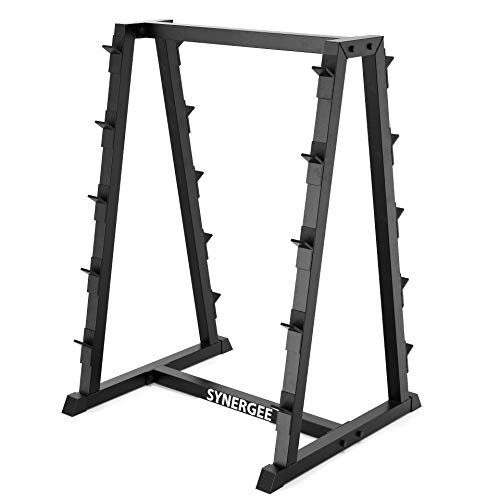
★ STRONG AND STURDY ★ – Our Synergee Fixed Barbell Rack can hold as much as 1100 lbs. Up to 10 Fixed Barbells can be set on the Rack. Our Rack is made from strong steel. The body is coated with a matte black finish. The pegs have a rubber padding to increase their longevity as bars are loaded on and off and to avoid metal on metal contact. And, darn, it looks GOOD!

【Adjustable System for Head-to-Toe Training】 Effortlessly switch between 7 backrest angles for chest and ab workouts, 3 preacher curl settings for arm isolation, and 2 dedicated height adjustments for the preacher pad. This versatile weight bench brings a professional-grade training experience to your home gym, going far beyond a standard workout bench.

[Original U.S. Patent] Patent No.: US D1,049,275 S . Ultra-Stable Design | Features a unique connection piece with 6 adjustable holes to customize width, ensuring maximum stability during exercises.
Effective Toe Raises
Elevating the toes while keeping the heels grounded can truly work wonders for your lower legs! Effective toe raises are a simple yet powerful exercise that strengthens the calf muscles and improves foot function. To perform this exercise, stand barefoot with your heels flat on the ground, lifting your toes toward a wall for support. Hold this position for 12-15 seconds—trust me, you’ll feel the burn! It’s recommended to do about 10 repetitions daily. Incorporating toe raises into your routine can greatly alleviate the pain associated with wearing heels, allowing for better balance and flexibility. So, let’s give our feet some love; they deserve a break from those stylish but ruthless high heels! Additionally, pairing stretches like these with heels that have cushioned midsoles can help reduce foot swelling after long shifts.
Recommended Products

Basketball Shoes
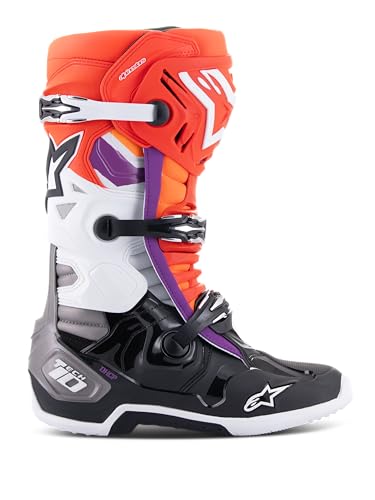
Low-profile pull-on design reduces material build and weight for quicker, easier wearing.

Low-profile pull-on design reduces material build and weight for quicker, easier wearing.
Calf Stretches to Relieve Tension
While wearing high heels can elevate an outfit, they often leave the legs and feet feeling cramped and tense. To counteract this discomfort, calf stretches play a key role in maintaining foot health. Standing on a step, with heels hanging off the edge—drop them down for a gentle stretch and hold for 15-30 seconds. This not only relieves tension but also enhances flexibility, helping to prevent injuries like Achilles tendinitis or plantar fasciitis. It’s ideal to practice calf stretches before donning those stylish shoes to prepare the muscles, as well as afterward to ease tightness. Incorporating two to three sets into your daily routine can really enhance comfort—because nobody wants sore calves ruining their evening out! Additionally, wearing heels with cushioned insoles can significantly reduce foot fatigue during extended wear.
Recommended Products


Two large front inlet ports and a ventilated shinplate deliver continuous airflow for optimal cooling and heat exchange.

Breathable open engineered mesh upper with seamless synthetic overlays
Ankle Rotations for Mobility
Boosting ankle mobility through ankle rotations can truly transform one’s experience in high heels. This simple yet effective exercise enhances joint mobility by increasing blood flow and flexibility in the ankle area. By raising one knee to hip height and drawing the letters of the alphabet in the air, individuals promote a full range of motion. Performing ankle rotations not only warms up the joints but also helps prevent injuries before wearing heels or engaging in physical activities. It’s important to rotate in both directions—clockwise and counterclockwise—to guarantee balanced mobility and strength. Consistent practice leads to improved stability and balance, making it much easier to navigate even the sketchiest of sidewalks in your favorite stilettos! Why not give it a try? Incorporating ankle mobility exercises can complement wearing shoes designed with arch support features, enhancing overall foot comfort and stability.
Incorporating Stretches Into Your Routine
Incorporating a few simple foot stretches into a daily routine can make a world of difference for those who frequently wear heels. Start with calf raises—just 10 to 15 repetitions can strengthen those muscles right away. Don’t forget the Wall-Facing Calf stretch, ideally held for 20 to 30 seconds, which effectively lengthens calf muscles and reduces strain.
Daily foot stretches not only improve flexibility but also prevent discomfort. For a truly relaxing experience, use a tennis ball or frozen water bottle for a 1 to 3 minute foot massage; this helps release tightness in the arch. These little additions to your day can greatly enhance foot health, making your stylish footwear far more enjoyable—because nobody wants to sacrifice comfort for fashion!
Frequently Asked Questions
How to Stretch Feet Before Wearing Heels?
How can one alleviate foot pain before donning high heels? Effective stretching techniques include calf stretches, toe curls, and ankle rotations, preparing the feet for heel height, enhancing flexibility, and reducing discomfort throughout the day.
How to Prep Feet for Wearing Heels?
To prep feet for wearing heels, one should consider foot care tips like stretching, heel height considerations for comfort, and exploring comfortable shoe alternatives to guarantee a smoother shift and minimize discomfort while wearing elevated footwear.
How to Recover Feet After Wearing Heels?
After wearing heels, employing foot massage techniques like tennis ball rolling and ankle rotations can provide heel pain relief. Integrating arch support options and strengthening exercises further promotes recovery and long-term comfort for tired feet.
How to Stretch Legs After Wearing Heels?
To stretch legs after wearing heels, one should perform calf stretches, incorporate toe exercises like toe raises, and enhance ankle mobility through rotations. These activities relieve tension, improve strength, and promote flexibility in the legs and feet.


