As an Amazon Associate, we earn from qualifying purchases. Some links on this site are affiliate links at no extra cost to you. Our recommendations are based on thorough research and editorial judgment.


Preventing Varicose Veins When You Stand in Heels for Work

Standing in heels can be tough on your veins! To prevent varicose veins, break up your standing time with short walks—aim for every hour. Choose heels under two inches for better support. Pair them with compression stockings, which can make a big difference by improving blood flow. Don’t forget to elevate your legs whenever possible; it’s like giving them a mini-vacation! Curious about more tips to keep those legs happy? There’s plenty to explore right ahead!
Key Takeaways
- Opt for lower-heeled shoes with good arch support to reduce pressure on leg veins while standing for long periods.
- Incorporate hourly breaks to sit down or elevate your legs to prevent blood pooling and decrease vein strain.
- Practice calf raises and ankle pumps during breaks to stimulate blood flow and enhance venous return.
- Wear compression stockings to improve circulation and support your leg veins, especially when standing for work.
- Maintain a healthy weight through a balanced diet and regular exercise to reduce overall strain on your veins.
Understanding Varicose Veins and Their Causes

Varicose veins can be a real pain, both literally and figuratively. These enlarged, twisted veins often appear in the legs and result from weak valves that allow blood to pool. Wearing high heels can greatly increase the risk of varicose veins—those stylish shoes add pressure on leg veins, hampering blood flow. Factors like obesity and hormonal changes during pregnancy can also worsen vein health, making some more susceptible to these pesky veins. To prevent varicose veins, maintaining a healthy weight and opting for supportive footwear, especially if standing for extended periods, is vital. Remember, even genetic predispositions can affect your chances, so knowing your family’s history can empower you to take steps to keep those veins in check. Choosing heels with shock-absorbing gel soles can significantly minimize strain and improve comfort for those prone to varicose veins.
The Impact of Prolonged Standing on Vein Health

When standing for long periods, the body can really take a hit, especially regarding vein health. Prolonged standing can cause blood to pool in leg veins, increasing the pressure that may lead to varicose veins. Occupations like nursing or cashiering heighten this risk—imagine aching legs at the end of a shift! Symptoms often include visible varicose veins, swelling, and a heavy feeling in the legs. Over time, this hinders proper blood circulation, potentially contributing to venous insufficiency. To reduce swelling and prevent vein health issues, it’s wise to take breaks frequently. Elevating legs or sitting occasionally can work wonders, making the workday less of a burden and your legs feel happier—trust me, they’ll thank you! Wearing shoes with cushioned insoles and proper arch support can also significantly ease the strain on your legs during long shifts.
Essential Prevention Tips for Varicose Veins

Long hours spent standing, especially in those lovely but merciless heels, can wreak havoc on leg health. To prevent varicose veins, a few essential tips prove incredibly effective. First, consider wearing compression stockings; they gently squeeze your legs to improve blood flow. Taking hourly breaks to elevate your legs can dramatically reduce blood pooling—no one wants to feel like a human fountain! Incorporating calf raises and ankle pumps into your routine also helps; just think of them as mini workouts. Finally, maintaining a healthy weight through lifestyle changes like regular exercise and a balanced diet is vital. These steps not only protect your legs but can aid in avoiding that dreaded feeling of heaviness. Your legs will thank you! Additionally, choosing footwear with proper arch support helps maintain healthy circulation and reduces strain during prolonged standing.
Recommended Products

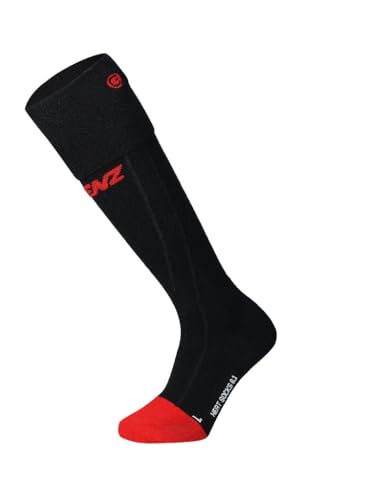
Heat sock with compression and merino wool

EU Size: 43 - US Size: 9.5-10 Men/10.5-11 Women | Rugged Trail Runs | Technical trail running shoe with an updated, more comfortable fit that doesn’t take away any of the rugged durability required for running on tougher trails.
The Role of Footwear in Vein Health

Choosing the right footwear can greatly impact vein health, especially for those who spend hours on their feet. High heels, particularly those over two inches, can alter the natural walking motion. This change reduces calf muscle engagement and hinders effective blood circulation back to the heart—yikes! Supportive shoes with cushioned insoles are game-changers for minimizing strain on leg veins. Opting for low-heeled or flat shoes not only enhances circulation but also reduces the risk of venous pooling. By making these simple adjustments, you can better promote the health of your veins. Trust me, your legs will thank you for ditching those stilettos after a long day of standing—it’s like giving your feet a well-deserved spa day! Choosing heels with arch support and cushioning further helps maintain proper blood flow and reduces discomfort when standing.
Recommended Products

PROFESSIONAL CLOGS FOR WOMEN: The Professional Patent style features a patent leather upper with a padded instep and a microfiber insole with an anatomically correct footbed. The polyurethane outsole features a rocker bottom. This style is approved by the APMA and part of our Professional Collection.

【Orthotic Arch Support & Pain Relief】Designed with professional orthotic arch support and cushioned insoles, these shoes effectively relieve plantar fasciitis, heel pain, flat feet, and foot fatigue. They provide stable support for long-time walking, running, gym exercise, and daily activities, reducing pressure on your feet and keeping you comfortable all day long.

【Professional Orthotic & Pain Relief Design】Built-in orthotic insoles with strong arch support effectively relieve plantar fasciitis, heel pain, foot fatigue and discomfort caused by flat feet or high arch.
Importance of Regular Breaks and Leg Elevation

Taking regular breaks throughout the day can make all the difference for those wearing heels. Simply standing or walking for five minutes every hour can greatly reduce blood pooling in the legs, alleviating pressure on veins. Elevating the legs above heart level for 15-20 minutes, twice daily, helps improve healthy circulation and decreases swelling—think of it as a mini vacation for your legs! Simple stretches for calves and ankles during these breaks not only promote blood flow but also prevent discomfort associated with prolonged heel wearing. Adopting a routine of leg elevation and movement during work hours is essential for maintaining peak leg health and reducing the risk of those pesky varicose veins. Your legs will thank you! Additionally, choosing heels with a heel height of 2 to 3 inches can help reduce foot strain and improve overall comfort during long periods of standing.
Recommended Products

FULL BODY SUPPORT WEDGE PILLOW + TRAVEL BAG - The Contour BackMax Pillow + Travel Bag is a multi-functional 3-piece orthopedic bed wedge that provides you comfort and support no matter where you sleep, relax or recover. This bed wedge pillow is customizable, offering comfortable elevation for your head, back, legs and knees and the travel bag is perfect for storing your BackMax and bringing on-the-go.

Maximum Relaxation: The Angle Body system is the perfect way to relax. This system gives you the support you need for your back and legs.

Full Length Bed Wedge - Inclined bed wedge pillow mattress topper that fits across the entire length and half the width of a King Size Bed/Mattress
Strengthening Exercises to Support Vein Health
While taking regular breaks and elevating the legs brings welcome relief, there’s an extra layer to complete your vein health routine—strengthening exercises. Engaging in calf raises promotes better blood circulation in the legs, aiding in the prevention of varicose veins. Incorporating ankle pumps can enhance venous return, critical for those who stand in heels for long periods. Wall sits serve as another fantastic option, strengthening leg muscles with minimal strain on those delicate veins. Toe wiggles and foot circles can surprisingly boost circulation in the feet and ankles, making them enjoyable exercises to include. Finally, don’t underestimate the power of simply walking, even if just for short intervals, to keep blood flowing and mitigate the downsides of prolonged standing. Also, choosing footwear with proper impact absorption can significantly reduce foot pain and pressure, further supporting overall leg and vein health.
Recommended Products

Heavy Duty Strength & Stability: Built with a sturdy steel frame and premium padding, the Rep Nighthawk Adjustable Weight Bench delivers commercial-grade durability. Designed for heavy weightlifting, this bench supports intense workouts at home or in the gym.
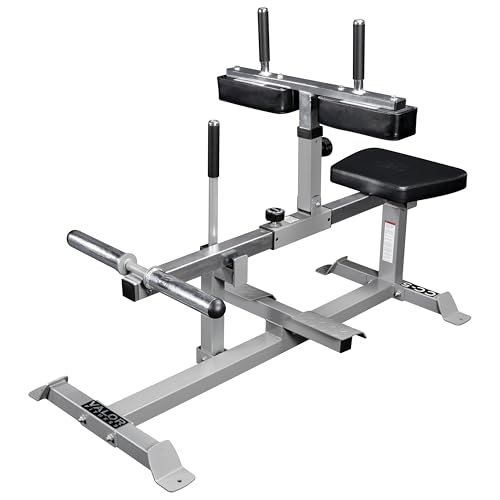
PLATE LOADED SEATED CALF RAISE MACHINE - Designed to target the calf muscles through seated calf raise exercises that support lower body strength development, muscle growth, athletic performance, and leg training programs.
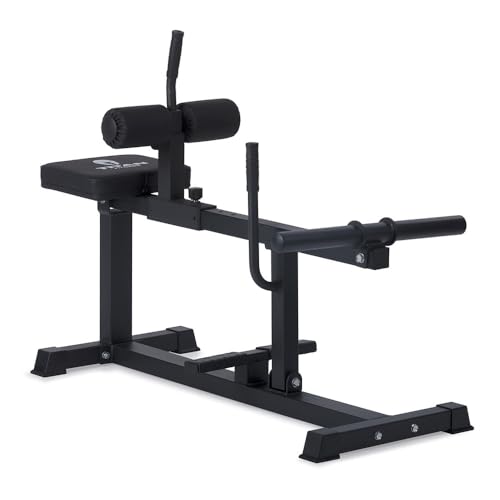
SEATED CALF RAISE MACHINE: Build powerful, defined calves. This seated calf raise machine keeps your knees at a 90-degree angle to isolate the soleus - the deep calf muscle that drives optimal size, endurance, and strength gains.
Benefits of Compression Stockings
For those who spend long hours in heels, compression stockings can be a game-changer for leg health. These specialized stockings deliver graduated pressure, enhancing blood circulation and improving venous return. This powerful support combats swelling, alleviates discomfort, and combats fatigue linked to varicose veins. They come in stylish options, making them easy to wear under work attire without sacrificing fashion. Medical-grade versions offer a pressure range of 15-30 mmHg, which efficiently prevents blood pooling in the legs—essential for high heel aficionados. Users often find that regular wear considerably reduces their risk of developing varicose veins. So, invest in a good pair; your legs will thank you after a long day on your feet! Who knew healthy legs could be this chic? Choosing heels with ankle support can also improve posture and reduce fatigue, complementing the benefits of compression stockings.
Recommended Products

Medical Grade Compression: 30-40 mmHg Compreflex Below Knee with Boot featuring low stretch technology in Large Tall size and Black color by SIGVARIS

Ultra sheer compression stocking with closed toe

Opaque compression Hose with closed toe
Maintaining a Healthy Weight and Diet
Maintaining a healthy weight and diet is essential for anyone who wants to keep varicose veins at bay, especially those who frequently wear heels. Those extra pounds can increase pressure on the leg veins, leading to problems. A balanced diet rich in fiber combats constipation, which also helps alleviate added strain on veins. Incorporating foods high in flavonoids—think berries and dark chocolate—can promote healthy blood flow and strengthen vein walls. Don’t forget vitamins C and E! These nutrients support collagen formation, keeping veins elastic and healthy. Plus, keeping sodium in check can reduce fluid retention and swelling, making leg care easier. So, enjoy that healthy plate and give your legs the love they deserve! 🍏✨ Choosing heels with cushioning can further reduce leg strain and promote better circulation.
When to Seek Professional Help for Vein Issues
How can one discern when it’s time to call in the experts for vein concerns? Persistent aching or throbbing in the legs after wearing heels might signal underlying issues, requiring a professional evaluation. If swollen veins appear, or discoloration and non-healing sores develop, it’s wise to consult a vascular specialist immediately. Additionally, if nighttime leg cramps or a heavy sensation linger, those symptoms could indicate potential varicose veins that need attention. Early intervention is essential to avoid complications like blood clots or ulcers. The Mission Surgical Clinic offers tailored treatments to improve circulation issues related to varicose veins—encouraging everyone to monitor their vein health closely. After all, prevention is better than the dreaded “how did this happen?” moment! Choosing shoes with proper arch support and cushioning can also help reduce strain and prevent worsening of vein issues.
Frequently Asked Questions
How Do You Prevent Varicose Veins When Standing All Day?
To prevent varicose veins while standing all day, one should wear compression stockings, incorporate foot exercises, take standing breaks, perform leg stretches, maintain proper posture, and establish good hydration habits.
Does Standing at Work Cause Varicose Veins?
Yes, standing at work can cause varicose veins. Prolonged standing raises venous pressure, compromising blood circulation. Certain job types exacerbate this issue due to posture effects and lifestyle factors, increasing the likelihood of vein complications over time.
How Long to Elevate Legs to Prevent Varicose Veins?
Elevating legs for 15-20 minutes, twice daily, enhances blood circulation and counters varicose vein risk. Incorporating leg exercises, wearing compression socks, and taking periodic breaks are essential ergonomic tips to improve overall vein health.
Do High Heels Make Varicose Veins Worse?
High heels, particularly those with significant heel height, often worsen circulation issues and compromise vein health, impacting foot posture and workplace comfort. Fashion choices should balance style with body well-being to prevent long-term vein problems.