As an Amazon Associate, we earn from qualifying purchases. Some links on this site are affiliate links at no extra cost to you. Our recommendations are based on thorough research and editorial judgment.


How Weather (Rain, Heat, Humidity) Impacts Heel Comfort and Fit

Weather can really mess with heel comfort and fit! In high humidity, feet swell, making shoes tight and prone to blisters. Warm days lead to increased blood flow—and yes, sweat levels rise too, causing discomfort. Rainy weather? That’s just a recipe for slippery missteps and soggy socks. It’s smart to have waterproof footwear ready and to switch to moisture-wicking socks. Trust me, those small changes make a big difference! Stick around, and you’ll find more tips on staying comfy.
Key Takeaways
- High humidity can cause foot swelling, making shoes feel tighter and increasing irritation risk due to excess moisture.
- Warm weather increases blood flow to the feet, leading to swelling and discomfort, and necessitating good shoe ventilation.
- Rainy weather can lead to increased moisture and skin breakdown, making waterproof footwear essential to maintain foot health.
- Closed-toe shoes in wet conditions can trap moisture, exacerbating swelling, while slipping can increase heel pressure and pain.
- Seasonal footwear adjustments, like breathable sandals for heat and insulated shoes for cold, are crucial for maintaining comfort.
The Effects of Humidity on Heel Comfort

When the humidity soars, it can feel like your feet are in a mini sauna—not the most pleasant experience! High humidity levels can wreak havoc on foot health. Excess moisture often leads to swelling, making properly fitting shoes feel tight and uncomfortable. As skin softens, it becomes prone to irritation, increasing the risk of blisters and calluses due to friction. To combat these issues, maintaining foot hygiene is essential—try changing socks frequently and wearing ventilated shoes to reduce moisture-related foot problems. Some people even swear by moisture-wicking socks! Overall, proper foot care in humid conditions not only enhances heel comfort but also keeps infections like athlete’s foot at bay. Your feet deserve that! Choosing shoes with moisture-wicking linings can significantly help in keeping feet dry and comfortable.
How Heat Influences Foot Fit

Heat can really throw a wrench into how shoes fit. In warm weather, increased blood flow can lead to foot swelling, making it essential to choose the right size. You might find that your usual pair suddenly feels tight—yikes! Excessive sweating creates moisture inside your footwear, raising friction and the risk of blisters. This is when good ventilation becomes your best friend. Plus, wearing less supportive shoes like sandals can amplify foot pain, so opting for footwear with adequate heel fit is vital. Remember, the warm environment can encourage skin irritation and even athlete’s foot, which alters comfort levels. High temperatures call for careful attention to shoe selection—after all, who wants a hot, sweaty mess? It’s also important to consider material breathability to reduce moisture buildup and improve comfort during heat.
Rainy Weather Dilemmas for Heels

Rainy days can be a real challenge for heel comfort, and it’s important to be prepared. The increase in moisture levels can lead to skin breakdown, resulting in discomfort and even fungal infections like athlete’s foot. Closed-toe shoes often trap moisture, making feet feel tighter and swollen due to damp conditions. This discomfort can be amplified if one finds themselves slipping—resulting in altered gait—that places additional pressure on the heels, potentially exacerbating heel pain. To battle these issues, waterproof footwear is essential during rainy weather. Investing in quality shoes designed to repel moisture not only promotes foot health but also keeps feet dry and happy. After all, soggy feet? Not ideal for wearing heels! Additionally, selecting heels with moisture-wicking lining can further enhance comfort and reduce swelling in wet conditions.
Recommended Products

LOW VOLUME PERFORMANCE - Featuring a 98-mm shell and anatomical Primaloft liner, the Nordica Promachine boots are fully customizable, making for unparalleled responsiveness and precision. For a boot that combines performance with all-day comfort, look no further than the Promachine.
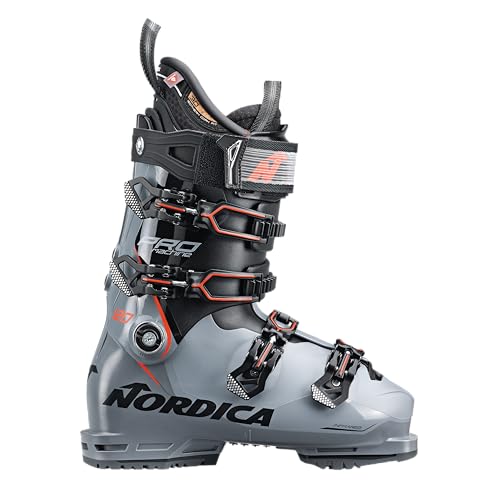
LOW VOLUME PERFORMANCE - Featuring a 98-mm shell and anatomical Primaloft liner, the Nordica Promachine boots are fully customizable, making for unparalleled responsiveness and precision. For a boot that combines performance with all-day comfort, look no further than the Promachine.
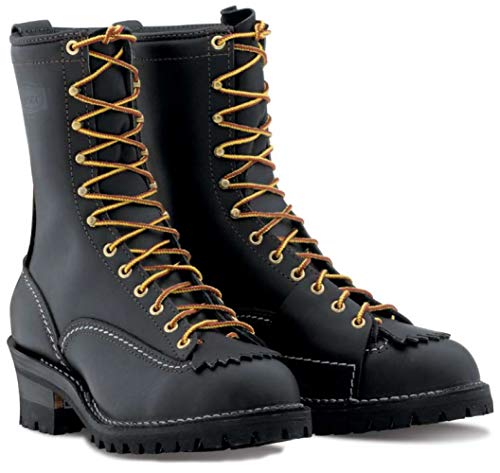
Premium Construction: The ultimate climbing boot worldwide, featuring 10 inches of 7-ounce oiled-leather top and foot for maximum durability and protection
Adjusting Footwear for Seasonal Changes
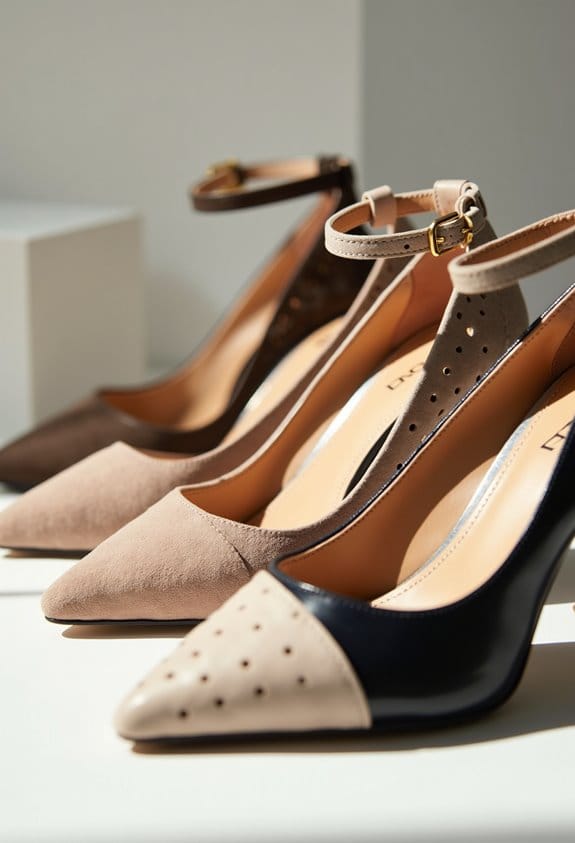
As the seasons change, so too should the approach to footwear, especially when it comes to comfort and support. In hot weather, breathable sandals or moisture-wicking socks keep feet from sweating and itching. During damp conditions, waterproof shoes are vital to combat moisture, which can lead to discomfort or even fungal infections. In winter, supportive footwear with cushioned insoles fights stiffness that can aggravate heel pain. Plus, in humid climates, shoes that encourage airflow can help prevent that dreaded moisture build-up—bye-bye, athlete’s foot! Regularly evaluating footwear fit for seasonal changes is essential; it not only maintains comfort but also reduces heel pain associated with changing environments. Remember, happy feet equal a happy life! For pregnant women, choosing heels with arch support and cushioned footbeds helps alleviate pressure and enhance stability throughout seasonal shifts.
Tips for Maintaining Comfort in Varying Weather Conditions
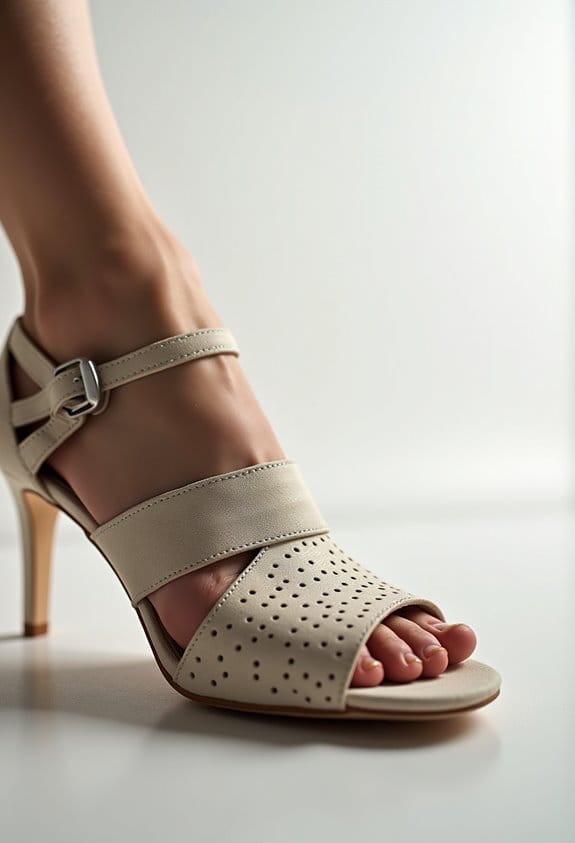
Steering through varying weather conditions can feel like a juggling act, especially when it comes to keeping feet comfortable. In hot weather, breathable footwear paired with moisture-wicking socks can prevent painful skin irritation. For those brisk, damp days, insulated and waterproof shoes are essential to avoid numbness—trust me, nobody enjoys freezing toes! When humidity strikes, frequent sock changes and airy shoes manage moisture levels, reducing the risk of irritation. On rainy days, look for shoes with sealed seams to keep water out and moisture-absorbing insoles to maintain a dry environment. Finally, pay attention to the temperature shifts in seasons—supportive shoes with ample toe room can combat discomfort. Additionally, selecting heels with proper cushioning and arch support can greatly enhance comfort in diverse weather conditions.
Recommended Products

EU Size: 44.5 – US Size: 12 Women/11 Men | Tech on the Mountain | A technically advanced mountaineering boot built for mixed and ice climbing.
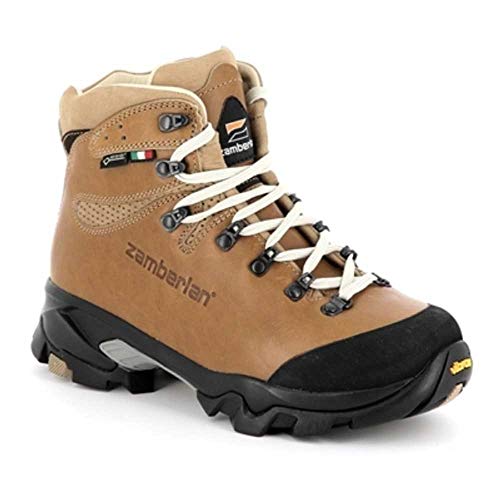
Rubber toe rands with PU coating boost boot durability and extend leather upper lifespan, particularly around the toe bump

The La Canadienne Jack boots are knee-high suede boots featuring a square toe silhouette, comfortable block heels, an interior zippered side closure, and an elastic insert on the side. Their City Dry technology features waterproof Italian suede and a
Frequently Asked Questions
Does Rainy Weather Affect Plantar Fasciitis?
Rainy weather negatively impacts plantar fasciitis through increased foot swelling and moisture absorption. Inadequate foot support, poor shoe materials, and insufficient cushioning technology can exacerbate discomfort, making proper arch support and traction control essential for relief.
Can Weather Change Cause Foot Pain?
Weather changes can indeed cause foot pain; research shows 70% of individuals with pre-existing conditions report heightened discomfort during extreme weather. Factors like heel height, shoe materials, and moisture impact should inform lifestyle adaptations for ideal foot health.
Does Heat Make Plantar Fasciitis Worse?
Heat can worsen plantar fasciitis by increasing inflammation. Effective pain management includes heat therapy, supportive footwear, proper arch support, stretching routines, foot exercises, and injury prevention through orthotic inserts and mindful daily habits to reduce discomfort.
Can I Wear Heels When It’s Raining?
While heels may seem impractical in rain, options like waterproof materials, slip-resistant soles, and moisture-wicking socks can enhance both style and comfort. Consider alternative footwear to guarantee fashion durability at outdoor events, mitigating traction challenges.