As an Amazon Associate, we earn from qualifying purchases. Some links on this site are affiliate links at no extra cost to you. Our recommendations are based on thorough research and editorial judgment.


How Standing All Day in Heels Affects Blood Flow in Your Legs

Standing all day in high heels wreaks havoc on blood flow in your legs. It’s all about those elevated angles—when heels pitch your feet forward, calf muscles tighten, limiting circulation. This can lead to discomfort and even chronic issues like varicose veins. If you’ve felt that end-of-the-day leg fatigue, you’re not alone! Choosing lower heels, like 1-2 inches, or supportive shoes can keep your blood moving. Stick around—there’s more to discover about your footwear choices and vein health!
Key Takeaways
- Standing all day in high heels disrupts the calf muscle pump, impairing blood flow back to the heart.
- Elevated heel angles lead to tightened calf muscles, restricting venous return and increasing venous pressure.
- Prolonged use of high heels contributes to blood pooling in the legs, raising the risk of chronic venous insufficiency and varicose veins.
- Poor posture from high heels shifts body weight forward, increasing strain on ankles and worsening circulation.
- Alternating between different shoe heights and incorporating ergonomic practices can improve circulation and reduce discomfort associated with prolonged standing in heels.
The Connection Between High Heels and Circulation

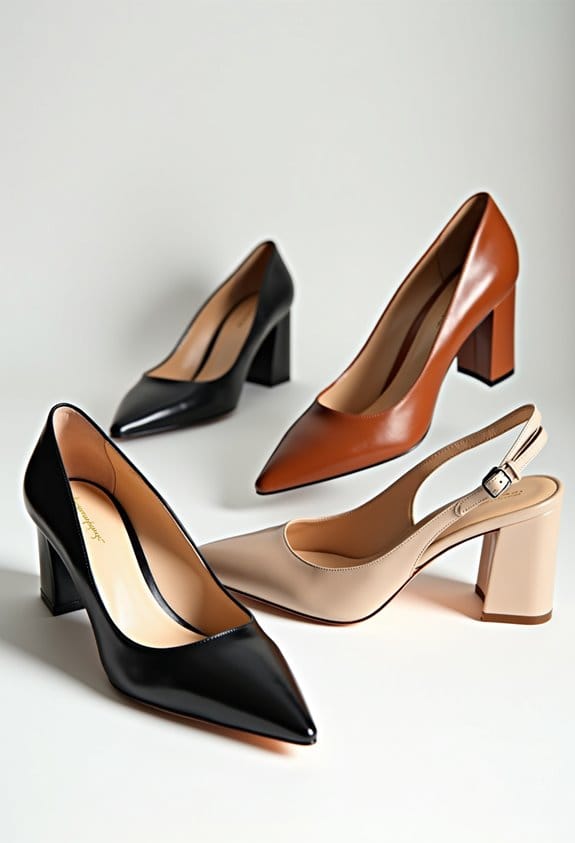
The intrigue surrounding high heels often eclipses their impact on circulation—a critical health concern. Wearing high heels, especially those with significant height, can spell trouble for your calf muscles. These stylish shoes might make your legs look fabulous, but they disrupt the calf muscle pump, leading to poorer blood flow. Reduced calf muscle effectiveness can elevate the risk of chronic venous insufficiency, or CVI, over time. With heightened heel angles, calf muscles tighten, further diminishing venous return and increasing pressure in the ankles. So while those stunning stilettos may draw compliments, they can exacerbate existing conditions like varicose veins, especially if genetics or lifestyle factors are at play. A fierce reminder that fun fashion can come with some not-so-fun health implications! Choosing heels with lower heel heights between 1 and 2 inches can help maintain better circulation and reduce these risks.
Understanding Vein Health and Function
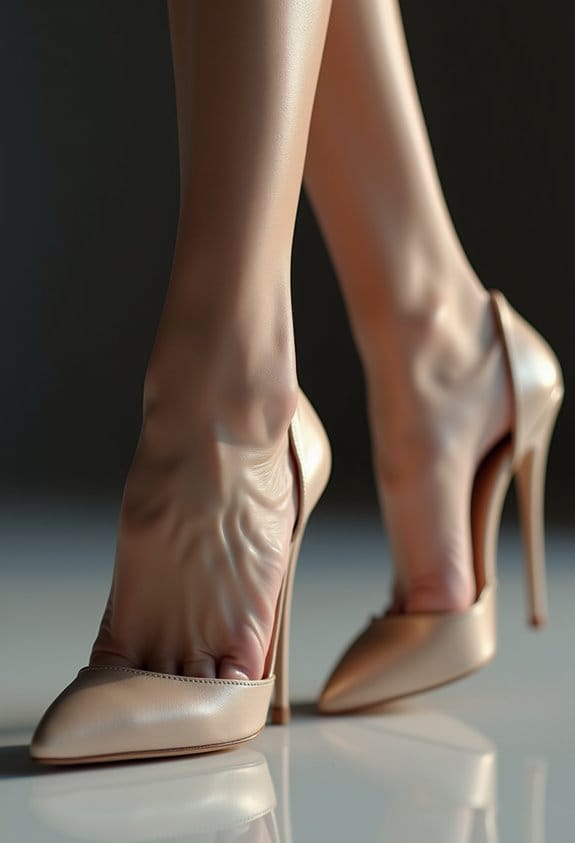
Understanding vein health and function goes beyond just aesthetics and fashion choices. Veins transport deoxygenated blood back to the heart, relying on the calf muscle pump to combat gravity. High heels disrupt this natural flow by preventing proper muscle engagement during movement. This misalignment increases venous pressure in the legs, leading to circulation problems and discomfort. Prolonged standing in heels can exacerbate blood pooling, making one susceptible to varicose veins and chronic venous insufficiency symptoms, like swelling and heaviness. If you frequently wear high heels, it’s important to evaluate underlying risk factors—genetics and lifestyle. Keep your veins happy by mixing in some lower-heel days or comfy shoes! Your legs will appreciate it, and you might just dance a little easier. For those with neuropathy, selecting heels with built-in gel pads or memory foam cushioning can help reduce foot pain while supporting better circulation.
How High Heels Impact Your Posture

Wearing high heels can greatly impact posture, making it a common concern for many. These trendy shoes shift body weight forward, disrupting the body’s natural alignment. This alteration increases pressure on the ankles and lower legs, which can strain the veins. High heels shorten the calf muscles, limiting their ability to effectively pump blood back to the heart. Over time, poor posture can lead to increased venous pressure and risk of valve dysfunction. This chronic strain contributes to issues such as varicose veins and chronic venous insufficiency (CVI), making it uncomfortable to stand for long periods. So, while high heels may elevate your style, they can be a slippery slope for your posture and blood circulation! Choosing heels with lower heel heights around 1-2 inches can help reduce this strain and improve blood flow.
The Role of Heel Height in Blood Flow

When it comes to heel height, a curious relationship exists between style and circulation. High heels, especially those towering above two inches, can create real issues for blood flow. These fashionable choices angle the foot downwards, which shortens the calf muscles, compromising their ability to aid circulation and promote effective venous return. A 2012 study showed that wearing such footwear can lead to increased blood pooling in the legs. This ultimately makes it more challenging for blood to flow back to the heart. Opting for lower, chunkier heels can offer better weight distribution and help mitigate the negative effects of heel impact, making those long days on your feet more bearable—without sacrificing style! Additionally, heels with cushioning layers and well-padded footbeds are essential in promoting comfort and improving circulation during prolonged standing.
Recommended Products


Synthetic upper is lightweight & durable with perforations in the toe box for added breathability
Occasion Type:Sports
Potential Risks of Wearing High Heels
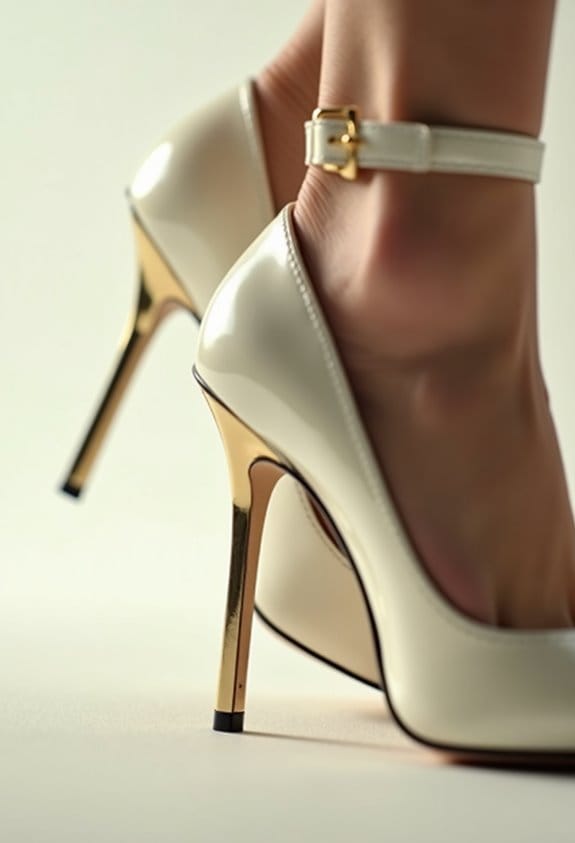
High heels may elevate style, but they come with a hefty price regarding health risks. Prolonged standing in these fashionable shoes often leads to inadequate blood flow, causing venous pressure to spike in the ankles. This can contribute to leg fatigue, making your feet cry out for relief after just a few hours. Additionally, the angle of high heels shortens calf muscles, hampering their ability to promote blood circulation, and may even increase the risk of developing varicose veins. While high heels aren’t direct culprits, they can exacerbate existing vein health issues—especially if you’re also juggling other risks like pregnancy. So, is that stiletto really worth it if it comes at the cost of your legs’ well-being? For better leg health during pregnancy, it is recommended to wear heels with arch support and cushioning to reduce strain and improve circulation.
Signs Your Veins May Be Struggling
Have you ever noticed that sudden heaviness in your legs after a long day? It’s not just fatigue; it could indicate leg swelling and poor circulation. Those throbbing calves and aching pain can be signs of vein discomfort. If you see visible veins or even bulging veins, that’s your body’s way of saying those valves are struggling. Sock indentations and noticeable ankle swelling often point to fluid retention—it’s like your veins threw a little pool party, but forgot to invite the blood back! You might also start spotting spider veins, which can appear over time due to chronic vein stress. Paying attention to these subtle signals can help you address underlying circulation issues before they escalate. Choosing shoes with arch support technology can help improve circulation and reduce strain on your legs throughout the day.
Long-Term Effects of Prolonged Heel Use
Standing in heels may seem stylish, but the long-term effects of consistent use can be quite a surprise. Prolonged use of high heels can noticeably inhibit blood flow efficiency. When heels elevate the body, they shorten calf muscles, disrupting the calf muscle pump necessary for ideal circulation. This can lead to increased venous pressure, especially in the ankles, which may contribute to chronic venous insufficiency (CVI). Over time, the uncomfortable symptoms of aching and heaviness can escalate, promoting blood pooling and exacerbating issues like varicose veins. A 2012 study noted how high heels negatively affect blood circulation, leaving legs exhausted and swollen after a long day. So, while those heels might look fabulous, they can really do a number on your veins! Selecting heels with low to moderate heel heights can help reduce some of these circulatory issues.
Strategies for Protecting Your Vein Health
Finding ways to protect vein health while wearing those stylish heels can be a game changer. To start, limit heel height to two inches or less—this really helps with venous return. Opting for supportive wedges instead of stilettos can also make a big difference; they distribute weight better and provide stability. Don’t forget to sneak in calf exercises during the day—just a minute or two can boost blood circulation and keep your legs feeling great! If you’re in heels for prolonged periods, compression stockings are your new best friend—they reduce blood pooling effectively. Finally, elevate your legs above heart level for a little while afterwards to relieve pressure and improve flow. Your legs will thank you! Choosing heels with traction soles and padded insoles can further enhance comfort and reduce strain on your veins.
Recommended Products

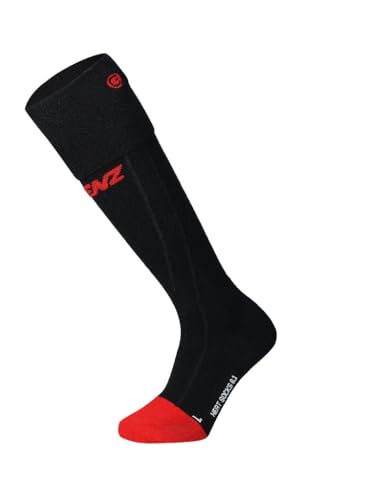
Heat sock with compression and merino wool

EU Size: 41.5 - US Size: 8.5 Men/9.5 Women | Rugged Trail Runs | Technical trail running shoe with an updated, more comfortable fit that doesn’t take away any of the rugged durability required for running on tougher trails.
Alternatives to High Heels for Better Circulation
Choosing the right footwear can make a world of difference for circulation. Supportive footwear, such as low-heeled shoes or wedges, can enhance blood circulation noticeably. They distribute weight more evenly, easing pressure on leg veins. Look for options that feature arch support; this helps stabilize your feet and gets those calf muscles pumping, which is essential for keeping the blood flowing smoothly. Comfortable shoes with cushioned insoles reduce fatigue, making long standing sessions bearable. Alternating between supportive flats and heels can combat circulatory problems associated with prolonged heel wear. Plus, breathable materials maintain foot health by preventing swelling. Remember, style doesn’t have to sacrifice comfort—your legs will thank you for that! Who knew foot fashion could be a foot-saver? Additionally, selecting heels with a block heel design provides greater stability and distributes weight more evenly, further aiding circulation.
Recommended Products

Breathable open engineered mesh upper with seamless synthetic overlays


Stretchable Acronos fabric gaiter. Shock absorbing heel cup. Adjustable size opening shin-plate
The Importance of Footwear Choices
Footwear choices can truly affect overall well-being—something often overlooked until discomfort sets in. Wearing high heels, especially those above two inches, can hinder circulation and worsen vein health. The calf muscle pump becomes less effective, leading to blood pooling in the lower legs. Stilettos tweak posture, pushing body weight forward and increasing pressure around ankles—ouch!
On the flip side, opting for supportive footwear with lower heel heights can enhance vascular health and promote leg health, allowing for better blood flow back to the heart. Shoes featuring arch support and a broader heel base distribute weight more evenly, reducing leg strain. Regularly alternating between high heels and comfy flats can literally save your feet from a painful fate and improve circulation—it’s a win-win!
Additionally, choosing shoes with proper cushioning helps ease overall foot fatigue and supports sustained comfort during long periods of standing.
Recommended Products

100% Suede Leather/Mesh

RUGGED MOUNTAIN PERFORMANCE - Engineered for demanding terrains, the Kenetrek Men's Mountain Guide NI Boots feature 2.8mm high-quality leather uppers with a one-piece vamp construction; This seamless design improves abrasion resistance and waterproofness for long-lasting durability

Pig suede leather upper
Ergonomic Considerations for Standing Work
When standing for long periods—whether at work or home—it’s essential to think about how to keep those legs feeling great. An ergonomic workplace is vital; consider using anti-fatigue mats, which provide cushioning and reduce pressure on your feet. Adjust the height of your work surface to promote better posture and improve circulation. Incorporating regular movement breaks, like calf raises or a brisk walk, can work wonders for enhancing blood flow. Wearing supportive footwear, preferably with lower heels, contributes considerably to reducing strain on your leg veins. Finally, a sit-stand desk allows you to alternate between sitting and standing, preventing that dreaded feeling of fatigue. Your legs will thank you for these thoughtful adjustments!
Recommended Products

One of the most economical anti-fatigue mats
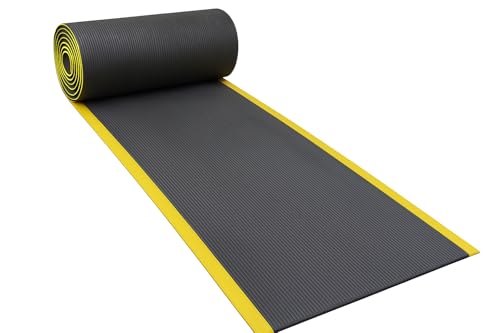
Durable Construction: 3/8" vinyl construction ensures higher durability and better resilience than ordinary sponge mats

An anti-fatigue mat that provides comfort for people who stand behind counters in pharmacies and teller stations, widely used in labs and check-stands
When to Seek Professional Help for Vein Issues
After standing for hours in those trendy high heels, the excitement of a new outfit can quickly fade if the legs start to throb or swell. It’s crucial to listen to your body—persistent leg pain or ankle swelling may indicate underlying vein issues. Visible changes in veins, such as prominent spider veins, often signal the need for a professional assessment. If you notice aching or throbbing sensations worsening by day’s end, don’t wait. Sock indentations can mean your circulation is compromised. Seeking early evaluation guarantees timely intervention and helps prevent complications. Remember, high heels may elevate style but can take a toll on your veins—pay attention to these signs for healthier legs!
Frequently Asked Questions
Can Standing on Your Feet All Day Cause Poor Circulation?
Standing all day can indeed cause poor circulation, manifesting as leg swelling and foot cramps. High heel height exacerbates standing fatigue and blood pooling, though wearing compression socks may improve circulatory health and comfort.
Are High Heels Bad for Circulation?
High heels can negatively impact circulation due to increased heel height, leading to elevated blood pressure and muscle fatigue. Orthopedic concerns arise, promoting lifestyle changes for better foot health and reduced circulation issues, despite fashion impact.
How to Get More Blood Flow to Legs and Feet?
To enhance blood flow, consider vibrant leg exercises, snug compression socks, soothing foot massages, elevation techniques, staying hydrated, dynamic stretching routines, frequent activity breaks, and invigorating yoga poses, fostering a symphony of circulation and well-being.
Can Shoes Affect Blood Circulation?
Yes, shoe design greatly influences blood circulation. Proper heel height, adequate arch support, and consideration of foot structure enhance ankle movement, reduce foot pressure, and promote blood vessel function, collectively contributing to circulation improvement in the legs.