As an Amazon Associate, we earn from qualifying purchases. Some links on this site are affiliate links at no extra cost to you. Our recommendations are based on thorough research and editorial judgment.


How to Check If Heels Are Truly Wide-Fit or Just Marketing

To check if heels are truly wide-fit or just a marketing gimmick, start by examining the labels. Look for specific width designations like “E” for wide or “2E” for extra-wide—these should offer at least half an inch more than standard sizes. Try the shoes on! A genuine wide-fit should allow for toe movement without pinching. And remember, little heel slippage is okay; discomfort means it’s time for a different pair—like a true friend would tell you! Keep exploring for more tips.
Key Takeaways
- Check the width designation on the shoe; genuine wide-fit should be marked as E, EE, or have specific numerical sizes indicating width.
- Measure the shoe’s toe box width; it should be at least half an inch wider than standard sizes for true wide-fit.
- Evaluate customer reviews specifically mentioning width and comfort to identify potential marketing gimmicks vs. actual fit.
- Inspect the shoe’s construction for features like cushioned insoles and adjustable straps that enhance comfort for wider feet.
- Utilize tools like the Brannock device for accurate foot measurements, comparing your findings with the shoe’s labeled width dimensions.
Understanding Wide-Fit Shoe Labels

Understanding wide-fit shoe labels can feel like traversing a maze, but it doesn’t have to be overwhelming. Wide-fit shoes come in various widths, often marked by letters—D for standard, E for wide, and even 2E or 4E for extra-wide options. These increments can mean an additional half-inch in foot width. When evaluating shoe size, it’s essential to check the toe box and forefoot area for genuine comfort. Tools like the Brannock device offer accurate measurement to confirm a proper fit. Also, examine independent reviews to gauge whether a shoe lives up to its claims of comfort for wide feet—because no one enjoys floppy shoes on a tightrope! Aim for a snug yet comfortable fit marked by supportive features and ample width. Prioritizing padded insoles and traction soles ensures both comfort and stability when testing wide-fit shoes.
Trying On Heels: The Fit Test

Finding the perfect pair of wide-fit heels can feel like searching for a needle in a haystack. To test if heels truly fit properly, start by checking the toe box width. There should be enough space for your toes to wiggle comfortably without feeling cramped. It’s also important to measure your feet—compare their width with the shoe’s specified measurement. Genuine wide-fit shoes should be at least half an inch wider than standard ones. When trying them on, walk a few steps; a little heel slippage is normal, but discomfort is a red flag! Additionally, look for brands that cater to different foot shapes to guarantee you find the most comfortable option, free from pesky pressure points. Prioritizing shoes with cushioned insoles can significantly improve comfort when testing wide-fit heels.
Recommended Products

Take forks on and off without tools or labor Solid forged steel forks

ONE SIZE FITS ALL design makes it great and reliable for small and large shoes worn by either men or women in the lab or manufacturing environment. The revesable cup design of the ESD heel grounder can be reversed so that doubles the life span of the product

Evaluating Shoe Construction for Comfort

Comfort in wide-fit heels begins with examining their construction—a crucial step for anyone on the hunt for the perfect pair. Start by evaluating the toe box width; real wide-fit options are at least half an inch wider than standard sizes. Look for width indicators like D and EE, which clearly denote wider fittings. Quality wide-fit designs often feature comfort elements, such as cushioned insoles that feel like walking on clouds and adjustable straps for personalized fitting. Don’t forget to inspect the heel’s construction; a broader tread base is important for stability. Always check the shoe against established width standards to confirm you’re not falling for just another marketing ploy. After all, comfort should never be a compromise! Additionally, considering Soft System comfort packages can ensure all-day cushioning and support in wide width kitten heels.
Recommended Products

ONE SIZE FITS ALL design makes it great and reliable for small and large shoes worn by either men or women in the lab or manufacturing environment. The revesable cup design of the ESD heel grounder can be reversed so that doubles the life span of the product

ONE SIZE FITS ALL design makes it great and reliable for small and large shoes worn by either men or women in the lab or manufacturing environment. The revesable cup design of the ESD heel grounder can be reversed so that doubles the life span of the product

Air Jordan 14 Retro 'Black Toe 2024' (487471 160)
Comparing With Standard Width Shoes

How can one truly know if wide-fit heels deliver on their promise of comfort when compared to standard-width shoes? To find the answer, measure the forefoot width and toe box depth of both shoe types. Typically, wide-fit shoes are half an inch wider than standard shoes—this extra space can mean the difference between bliss and blisters. A quick visit to professional fitting services can clarify what constitutes true wide-fit shoes versus merely ill-fitting standard shoes, ensuring a comfortable fit. Remember, you wouldn’t want your toes squished like sardines! Trying on various widths helps you discover which style works best, providing peace of mind—because no one enjoys uncomfortable footwear during a fun night out! Additionally, paying attention to features like adjustable closures can greatly enhance the fit and overall comfort of wide width block heels.
Recommended Products
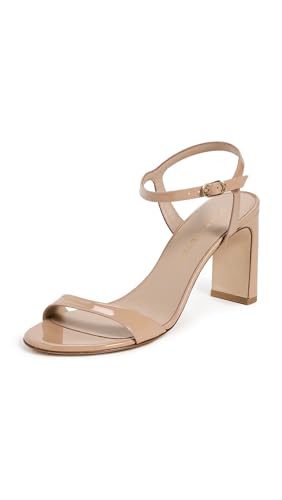
Leather sole with rubber heel cap


Styled with a kitten heel for a touch of height, the pared-back silhouette of our Coco sandal allows its supple leather to shine.
Signs You May Need Wide Shoes

Have you ever paused mid-step, feeling your toes squished uncomfortably together in your favorite pair of heels? Those symptoms might indicate a true need for wide shoes. Cramped toe boxes can lead to serious discomfort, not to mention pesky pressure points that bulge over the sides of the shoe. If blisters frequently appear, they’re likely begging for a wider fit. Additionally, individuals with flat feet often require extra space and support—wider shoes can help accommodate this unique shape. A simple way to determine if you need a wider fit is to measure your foot width at the widest point and trace both feet. Invest in your comfort; your feet will appreciate it! Choosing shoes with at least a 2E width ensures better comfort and helps prevent painful foot issues.
Recommended Products

Leather sole with rubber heel cap

Leather sole with rubber patch

Leather sole with rubber heel cap
Common Foot Conditions and Their Impact on Fit
Many people underestimate the profound impact that common foot conditions can have on the fit of shoes. Bunions, hammertoes, and Morton’s neuroma can lead to serious discomfort, often requiring wider shoes to guarantee a comfortable fit. For those with flat feet, a wider toe box is essential for support and space—standard shoes just won’t cut it! It’s vital to understand your foot width to avoid blisters and pressure points that arise from ill-fitting footwear, especially if you have underlying conditions like diabetes. Genetics also play a role, making some feet naturally wider and more prone to discomfort in regular shoes. Remember, measuring both feet will help determine if wide-fit options truly accommodate your foot abnormalities. Additionally, choosing shoes that allow for removable gel inserts can greatly enhance comfort and alleviate pressure related to these conditions.
Importance of Accurate Measurements
Finding the right fit in heels often comes down to one essential aspect: getting those measurements spot on. Accurate measurements are important when determining the width of your feet. Shoes labeled as wide-fit should ideally have specific width markings, like D or E. These indicators mean the shoe is designed to be half an inch wider, accommodating your foot width comfortably. Using a Brannock device makes verifying both the length and width straightforward—no more guesswork based on misleading marketing claims! It’s best to measure your feet at the end of the day when they’re most swollen, ensuring you capture your true width requirements. Since width labels can vary by brand, always check those specific dimensions before purchasing! Additionally, choosing heels with adjustable straps can provide a better fit for various foot shapes and relieve pressure spots.
The Role of Flexible Uppers in Fit
A well-crafted pair of heels can feel like a dream, especially when they have flexible uppers. These materials allow wide-fit shoes to accommodate various foot shapes, providing a personalized fit that is imperative for those with wider feet. By adapting to the natural movements of the foot, flexible uppers minimize pressure points, enhancing comfort considerably compared to traditional stiff styles. When searching for the perfect heels, opt for uppers made from soft, pliable materials—these indicate a forgiving fit that actively supports your feet. Quality wide-fit shoes with flexible uppers can help prevent those pesky foot issues, like blisters and bunions, ensuring that you can strut your stuff without the typical shoe-related woes. Choosing shoes with cushioned insoles further contributes to all-day comfort by reducing foot fatigue.
Recommended Products

Dual-Coil Ceramic Noiseless Neck, Middle, and Bridge pickups provide the broad sonic palette Jeff utilizes to achieve all those legendary tones.

New XXIO PRIME WOODS & IRONS The ultimate in moderate swing speed performance for seasoned players, the luxuriously crafted XXIO Prime collection is in a master class all its own. Exquisitely designed to shine above the rest, XXIO Prime combines exalted looks with advanced ball speed technologies and exotically lightweight materials for a new pinnacle of high balance point golf clubs.

Synthetic upper is lightweight & durable with perforations in the toe box for added breathability
Recognizing Marketing Gimmicks in Shoe Sizing
Shopping for wide-fit heels can feel like traversing a minefield. To avoid pitfalls, scrutinize width labeling such as E, EE, or numerical specifications. These standards help distinguish genuine wide fit from clever marketing claims that rely more on buzzwords than comfort. Before purchasing, measure your foot’s width and compare it with the manufacturer’s dimensions—this guarantees the shoe’s toe box truly accommodates wider feet. Look for structural features like a broader tread to reduce pressure points, enhancing comfort substantially. Customer reviews are gold; they can reveal real insights into fit and comfort levels, allowing you to dodge potential footwear fiascoes. Remember, if a brand lacks detailed specifications, it may be more about marketing than actual wide fit design! Additionally, considering heel height and comfort is crucial, as optimal heel heights between 2 to 3 inches with cushioned insoles help maintain comfort throughout the day.
Frequently Asked Questions
How to Tell if Shoes Are Wide or Regular?
To determine if shoes are wide or regular, examine wide shoe indicators, follow a foot measurement guide, consider arch support options, utilize size conversion charts, analyze shoe design features, and conduct a comfort level analysis for accuracy.
How Do You Tell if You Need Wide Heels?
Determining the need for wide heels involves a foot width assessment, heel comfort evaluation, and ensuring adequate toe box space, while considering common foot issues and potential custom orthotics benefits, alongside proper sizing techniques and shoe material flexibility.
How to Tell if Heels Fit Properly?
In the domain of footwear, a well-fitted heel whispers comfort. Proper fitting involves evaluating heel sizes, ensuring adequate toe box room, accommodating foot shape with material flexibility, and considering insole adjustments, all blending harmoniously for a comfortable arch.
How Much Wider Are Wide Fit Heels?
Wide-fit heels are typically half an inch wider than standard models, necessitating heel width measurements, foot shape analysis, and comfort level assessments to guarantee proper fit and arch support, alongside custom fitting options for ideal wear.