As an Amazon Associate, we earn from qualifying purchases. Some links on this site are affiliate links at no extra cost to you. Our recommendations are based on thorough research and editorial judgment.


Common Cleaning Mistakes That Damage Cushioning and Linings

Common cleaning mistakes can seriously damage the cushioning and linings of upholstered furniture. Forgetting to check cleaning codes can lead to using the wrong products—yikes! Excess water is another culprit, risking mold and odors. Aggressive scrubbing, while tempting, can hurt fabric fibers instead. Skipping vacuuming means dirt settles deeper. And let’s not forget about waiting too long between cleanings—no one wants stubborn stains sticking around! Stick with me, and I’ll share more tips to keep that furniture looking fresh.
Key Takeaways
- Ignoring cleaning codes can lead to using inappropriate methods that damage fabric cushioning and linings, like using water on solvent-only materials.
- Over-saturating fabrics with excessive water can waterlog cushions, compromising support and leading to mold growth and unpleasant odors.
- Aggressive scrubbing can push stains deeper into cushioning materials, potentially causing permanent damage and weakening the structural integrity of the upholstery.
- Using harsh cleaning chemicals can break down protective coatings, leading to fabric deterioration that affects both cushioning and appearance.
- Neglecting regular vacuuming before cleaning allows dust and debris to penetrate deeper, making stains harder to remove and damaging linings over time.
Not Checking the Cleaning Codes

Whenever someone tackles the cleaning of upholstery, the excitement can quickly turn into despair if they forget to check the cleaning codes. Each piece of upholstered furniture comes with a tag that outlines the right cleaning methods: water-based (W), solvent-based (S), both (W/S), or none (X). Not checking the cleaning codes can lead to serious damage, like discoloration or even shrinkage—yikes! Imagine splashing water on a fabric meant only for solvents—an upholstery nightmare! Cleaning without proper knowledge may also void warranties; nobody wants a soggy couch or an angry manufacturer. So, before diving into the task, take a moment to review those codes. They are your best allies in preserving the beauty and longevity of your beloved furniture! Additionally, using breathable materials in upholstery helps maintain fabric health by reducing moisture buildup.
Using Too Much Water

Cleaning codes may set the stage for proper upholstery care, but the challenge continues when it comes to water usage. Using too much water while cleaning upholstery can lead to all sorts of headaches—not the fun kind! Excess moisture can fully saturate cushions, compromising the integrity of foam cores and creating waterlogged fabrics that take ages to dry. This over-saturation can invite mold growth, particularly when water gets trapped, leaving behind lingering odors. Ever notice your beloved couch changing color? Discoloration could be the result of seepage affecting the fabric. To keep your cushions looking and feeling their best, stick to proper cleaning methods—like using damp cloths rather than soaking wet ones. Trust me, your furniture will thank you! Just as selecting the right insole cushioning quality is essential for comfort in footwear, ensuring proper moisture balance is key to maintaining upholstery integrity.
Recommended Products

Upholstery & Carpet Savior: Tired of stubborn stains ruining your favorite couch or carpet? Meet the Mujerbay Upholstery Cleaner Machine—your go-to solution for localized cleaning that saves water and protects your furniture from damage caused by repeated cleaning. Imagine extending the life of your beloved carpets and sofas while keeping them spotless. This isn’t just a cleaner; it’s a lifesaver for your home.

Industrial Strength Bond: High-solids, professional-grade adhesive delivers maximum bonding power within 10 minutes and meets strict VOC requirements for safe indoor use. Maintains a strong hold even under intense heat and moisture.

Photo-safe: As strong as it is, Gorilla glue spray is photo-safe and repositionable for a short time
Scrubbing Stains Vigorously

Stains on upholstery can feel like a battle, but scrubbing them vigorously might land you in a worse predicament. Instead of lifting stains, that aggressive motion can push them deeper into delicate fabrics, turning minor messes into permanent marks. Who wants that? Using stiff brushes damages the protective coating, leading to unsightly pilling or thinning over time. Instead, opt for gentle cleaning techniques, like blotting the stain with a clean cloth—this method really works! When you need to move, think in circular motions to avoid stressing the fibers. Trust me, your upholstery will thank you, and you’ll save yourself the headache of costly repairs. Remember, less is often more when it comes to cleaning! Also, just like how cushioned midsoles help reduce foot swelling and discomfort, gentle cleaning preserves the cushioning and linings in your upholstery.
Recommended Products

Deep clean, no residue: cuts through sticky spills, grease and bathroom buildup using only water; safer choice around kids and pets
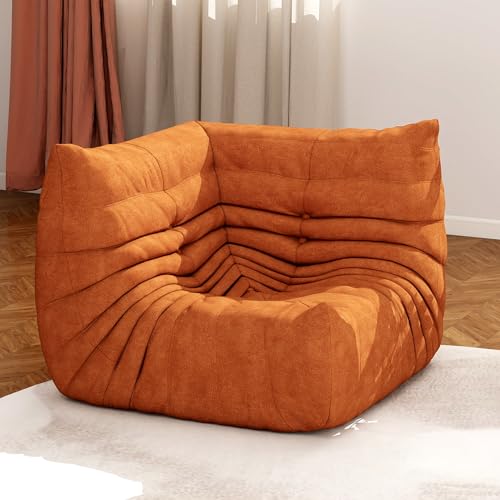
[𝙑𝙚𝙧𝙨𝙖𝙩𝙞𝙡𝙚 𝙐𝙨𝙚]: Snug Sofee Bean Bag Chairs doesn't need a wall for back support, making it perfect for your living room, reading corner, gaming and movie space, home office, apartments, and gazebos. It brings you unparalleled comfort and a delightful experience.

Automatic Cleaning Technology. Push forward to clean and pull back to dry
Using the Wrong Cleaning Products

While it might be tempting to grab any old cleaner to eliminate dirt and grime, using the wrong cleaning products can spell disaster for upholstery elements like cushioning and linings. Harsh chemicals, like bleach or ammonia, can break down vital protective coatings, leading to premature fading. Imagine your beautiful sofa losing its charm because of a rogue cleaner! Furthermore, many cleaning solutions can leave residues that attract dirt, making that next clean even trickier. It’s essential to check the cleaning code for your fabric—some specific solutions are engineered just for your upholstery. Don’t risk voiding your manufacturer’s warranty by ignoring this detail. For peace of mind, consider investing in professional upholstery cleaning when in doubt—you’ll thank yourself later! Additionally, proper cushioning with EVA and cork footbeds can enhance comfort and durability, so preserving their integrity during cleaning is crucial.
Recommended Products

READY-TO-USE STAIN PROTECTOR FOR CARPET, UPHOLSTERY, & MORE: Introducing Carpet Stain Guard 5816 - our ultimate ready-to-use fabric and upholstery protector . No need for dilution – it's all set to go! This indoor and outdoor fabric protector spray has superior shielding power, providing an invisible barrier against the most stubborn stains caused by foot traffic, soil, food, drinks, & other common household mishaps, keeping your carpets, rugs, upholstery, and drapes looking fresh and new.

Counter-Rotating Brushes (CRB) – Dual polypropylene brushes spin at 450 RPM against each other, lifting dirt from all angles. This action opens the carpet pile and pulls debris from deep inside fibers, far beyond what vacuums or single-disc scrubbers can reach.

MULTIPLE STYLE OPTIONS — Choose between three all-new PolyHyde vinyl upholstery colors: Millbrae, Altoona, and Grummond — or Norlina, our woven-fabric solution, which is great for RV owners traveling with kids or pets
Skipping the Pre-Vacuuming Step

Neglecting to vacuum before tackling upholstery cleaning can turn a simple chore into a messy ordeal. When loose dirt mixes with your cleaning solution, it creates muddy messes—yikes! A good vacuum with attachments eliminates dust, pet hair, and crumbs, allowing deep cleaning to be far more effective. Without vacuuming, debris gets pushed deeper into the fabric, making stains tougher to tackle and wearing out those lovely fibers quicker. Imagine trying to clean a muddy shoe—it’s a challenge! Regular vacuuming not only preps your upholstery but also extends the life of your cushioning by reducing allergens. Save yourself some hassle—grab that vacuum first and give your upholstery a fighting chance! Trust me, your cleaning routine will thank you! Proper maintenance is especially crucial for items with cushioned insoles, as preserving their shock-absorbing properties ensures lasting comfort.
Not Doing a Spot Test
How can a simple oversight lead to a costly cleaning mistake? Not doing a spot test can wreak havoc on your beloved upholstered pieces! Every fabric reacts differently to cleaning products, and skipping this essential step might result in unsightly discoloration or even permanent damage. A spot test is easy: just apply a small amount of cleaner in a hidden area and watch for any adverse reactions. This quick test not only saves you from bursting the budget on repairs but also helps guarantee your cleaning choice won’t strip away the fabric’s protective coatings. Trust me, no one wants to deal with the aftermath of a cleaning mistake that could have been avoided—like finding your once-vibrant couch looking more like a bad watercolor painting! Ensuring proper care can help maintain the durability and cushioning effects of your upholstery over time.
Recommended Products
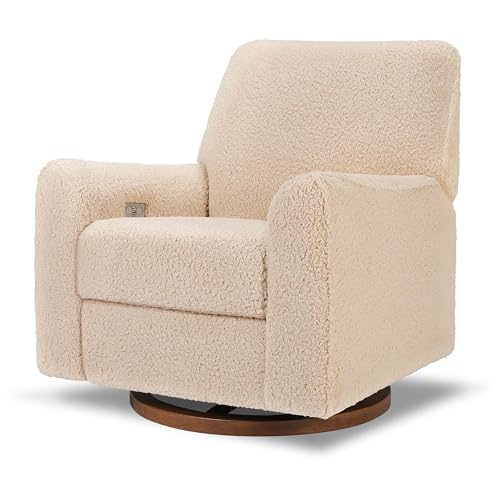
POWER RECLINER & GLIDER: The Sunday Recliner is a nursery essential! It swivels 270-degrees, glides back and forth, electronically reclines at the push of a button has a built-in USB charger, and arrives fully assembled, ready out of the box.
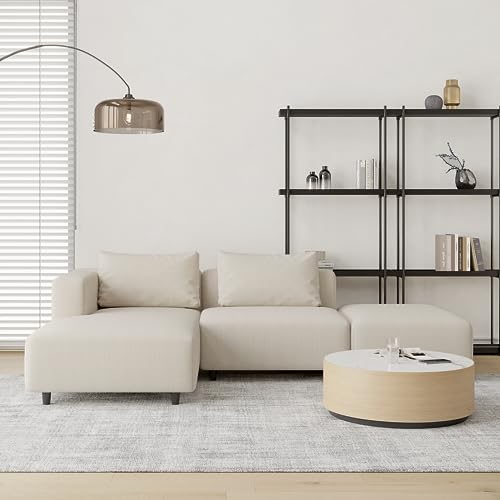
Elevate your living space with modern modular sofa: Crisp modern lines pair well with a variety of decor styles, making this L-shape sectional sofa set a versatile addition to your living room, studio, or office.

PLUSH PILLOWBACK GLIDER: Relax into the Cali Swivel Glider with a plush high pillowback that provides extra neck support, full 360 degree swivel and glide motion and is upholstered by hand in soft eco-performance fabric
Not Working From the Outside in
Cleaning upholstery can sometimes feel like a high-stakes game of Twister, where one wrong move leads to unexpected messes. One of the most common mistakes made during cleaning is beginning from the center rather than the edges. By using a “start from the outside in” method, you effectively prevent stains from spreading and creating larger rings. When spot cleaning, controlling the cleaning process is essential. Failing to do this can lead to harsher damage and make future stains even harder to remove. Remember—when upholstery is cleaned properly, it can look its best for years to come. Think of it as a little kindness to your furniture, ensuring it stays bright, clean, and inviting into your home. Just like selecting shoes with a proper fit enhances comfort and prevents damage, careful cleaning methods preserve your upholstery’s quality and longevity.
Allowing the Upholstery to Air-Dry Incorrectly
Have you ever wondered why your freshly cleaned upholstery doesn’t look as good as you imagined? Allowing the upholstery to air-dry incorrectly can lead to excessive moisture, causing uneven drying and unsightly water rings. To achieve the best results, it’s crucial to maintain proper room conditions and guarantee adequate airflow. Keeping windows open and using ceiling fans can enhance ventilation, helping the fabric dry thoroughly—an essential step in preventing mold and mildew growth. In contrast, directing hairdryers at wet stains may inadvertently set them, making them permanent. Opting for low-moisture cleaning methods not only encourages rapid drying but also protects the upholstery’s integrity. After all, who wants a smelly, damp sofa reminding them of a wet dog? Similarly, choosing the right materials that offer breathability and cushioning plays a vital role in maintaining comfort and durability over time.
Waiting Too Long Between Cleanings
Even a modest delay in cleaning upholstery can lead to surprising consequences. Waiting too long between cleanings allows dirt and allergens to pile up, transforming simple tasks into a battle against stubborn stains. Regular maintenance—aiming for every 12 to 18 months—can make a huge difference. In households with kids and pets, spills occur frequently, making timely cleaning even more critical. Neglecting this can create an inviting environment for mold and mildew growth, especially in damp corners—no one wants that! While household cleaners may help, some situations might call for professionals cleaning to tackle the real mess. So, don’t wait too long; your upholstery (and your nose) will thank you! Plus, it saves you from the dreaded deep-cleaning monster down the line! Maintaining regular cleaning intervals also helps preserve the cushioned insoles and padding in upholstered furniture, preventing premature wear and loss of comfort.
Ignoring the Specific Needs of Different Upholstery Types
How can a simple oversight lead to costly mistakes in upholstery care? Ignoring the specific needs of different upholstery types is a prime example. Furniture fabrics, like leather or velvet, need tailored cleaning methods. Water may work wonders on some common looking pieces, but for others, solvent-based cleaners are a must. Without testing these cleaning habits, irreversible damage can occur, such as discoloration or fabric decay.
Upholstery cleaning codes, often found on tags, guide maintenance, ensuring effective care for each unique material. Specialized fabrics like silk require gentle cleaning to avoid weakening. Professional cleaning is sometimes the best option for those tricky pieces. Ultimately, knowing your furniture’s material is key to prolonging its lifespan and keeping it looking fabulous! Selecting the appropriate cushioning and shock absorption materials is as vital in upholstery care as it is in footwear for neuropathy relief to prevent long-term damage.
Neglecting Regular Maintenance
While it may be tempting to skip regular maintenance for upholstery—especially when life gets busy—this oversight can lead to a mountain of problems down the road. Neglecting regular maintenance allows dirt and allergens to accumulate, making it much harder to clean your upholstery effectively later on. For example, a few forgotten spills can turn into permanent stains, leaving fabrics looking dull. Regular cleaning every 12 to 18 months is ideal—this is the secret to keeping furniture in excellent condition, especially with kids or pets around. By maintaining cushions and linings, homeowners can prevent fiber breakdown and extend the life of their upholstery, ensuring it serves them best for years to come. Proactive care can save you from costly replacement down the line!
Frequently Asked Questions
What Is the 1% Rule for Cleaning?
The 1% rule for cleaning emphasizes priority in moisture use, recommending only 1% of a cushion’s weight for ideal stain removal. This practice enhances maintenance efficiency, preserving fabric types and utilizing cleaning agents wisely to prevent damage.
What Are Common Cleaning Disputes?
Common cleaning disputes often arise regarding appropriate cleaning supplies, varied fabric types, and effective upholstery maintenance. Misunderstandings about stain types and preferred cleaning techniques frequently lead to common errors, complicating the cleaning process for homeowners.
What Is the 20 Minute Rule in Cleaning?
The 20 Minute Strategy promotes effective time management by encouraging brief, focused cleaning sessions. This approach enhances cleaning efficiency, boosts housekeeping motivation, and supports an organized cleaning schedule through task prioritization techniques that simplify maintenance.
What Are the 5 Basic Cleaning Principles?
The five basic cleaning principles include effective cleaning techniques, regular cleaning frequency, proper upholstery care, appropriate stain removal methods, and ensuring fabric protection. These maintenance tips enhance longevity and appearance while safeguarding against damage.


