As an Amazon Associate, we earn from qualifying purchases. Some links on this site are affiliate links at no extra cost to you. Our recommendations are based on thorough research and editorial judgment.

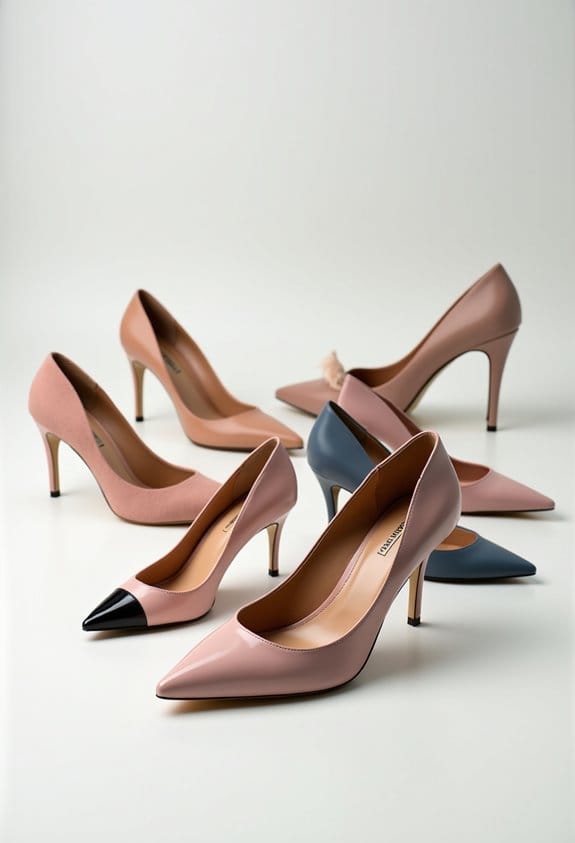
Wide Toe Box vs. Standard: How to Know What Your Feet Need

Choosing between a wide toe box and standard fit can make a huge difference for your feet! If your toes feel cramped or overlap, it might be a sign to try a wide toe box. Measurements are key—use a Brannock device to find your ideal size. Remember, a roomy toe box can help avoid pesky bunions and plantar fasciitis. Wouldn’t you rather have happy feet? Stick around to discover how to find the right footwear for your needs!
Key Takeaways
- Assess foot width by tracing your foot at the widest point and comparing it to sizing charts to determine if you need a wide toe box.
- Signs that indicate the need for a wide toe box include overlapping toes, foot overhang, and persistent discomfort during wear.
- Wide toe boxes enhance natural toe splay, improving balance and reducing the risk of developing foot problems like bunions and hammertoes.
- Experiment with different brands, as sizing varies; perform the “toe wiggle” test to ensure shoes feel comfortable and provide adequate space.
- Look for additional comfort features like adjustable straps, arch support, and cushioning to enhance overall fit and foot health.
Understanding Foot Width Types

When it comes to shoes, understanding foot width types can make all the difference in comfort and fit. Shoe width is crucial for individuals with wide feet, as wearing the correct size can prevent discomfort and conditions like bunions. Foot widths are categorized as narrow (A widths for women), standard (B for women, D for men), and wide, including options like 2E and 4E. To find that perfect fit, measure your feet, particularly in the evening, when swelling occurs. It’s a simple yet important step! Many women may find better options in men’s shoes due to a wider shoe width. Finally, familiarize yourself with the width labeling system to navigate this world and find your ideal wide toe box! Additionally, when shopping for wide widths, focusing on features like padded insoles can greatly enhance comfort throughout the day.
The Importance of Proper Footwear

Finding the right footwear can truly transform the way a person feels on their feet every day. Proper footwear is essential, especially for those with wide feet or foot disorders. Many wear the wrong shoe size—about one-third, in fact! Wearing shoes that accommodate the proper shoe width can reduce discomfort and eliminate annoying pressure points. Imagine slipping into wide-width shoes that not only fit but also support your foot health. These shoes help prevent painful conditions like bunions, hammer toes, or even plantar fasciitis. With a roomy toe box, your toes can spread out comfortably, improving foot strength and balance. Remember, investing in proper footwear isn’t just about style; it’s about treating your feet right! Choosing heels with the right heel height and cushioned insoles ensures both comfort and stability throughout the day.
Signs You May Need a Wide Toe Box

How can you tell if those standard shoes are doing more harm than good? If your toes feel bunched together or overlapping, it’s a strong sign you might need a wide toe box. A lack of space for natural toe splay can lead to foot pain or even blisters forming on the sides of your big toe or pinky. If you notice numbness or tingling, that’s a hint that narrow shoes are constricting your foot—like a snake squeezing its prey! When your foot spills over the sides of your shoes, it’s time to prioritize a comfortable fit with extra room. For those dealing with foot conditions like bunions, choosing a wide toe box can provide much-needed relief and comfort. Choosing shoes made from soft, breathable fabrics can also help minimize discomfort and prevent heat buildup in swollen or sensitive feet.
Recommended Products


How to Measure Your Foot Width

Properly measuring foot width can make a world of difference when it comes to choosing the right shoes. To measure foot width accurately, stand on a piece of paper and trace around your feet at their widest point, usually across the toe area. It’s best to do this in the evening when your feet are more swollen. For standardization, consider using a Brannock device—it displays width sizes and guarantees a thorough assessment. If your measurement exceeds normal foot sizes, you likely have a wide foot, ranging from B (narrow for women) to 4E (extra wide for men). Regularly checking your foot shape is essential for maintaining foot health and avoiding pressure on the toes as your feet change over time. Choosing shoes with adjustable straps can help accommodate changes in foot width and improve overall comfort.
Recommended Products

Breathable open engineered mesh upper with seamless synthetic overlays

THIS MEN’S SHOE IS FOR: The Levitate 6 offers the energizing power of our newly updated DNA AMP technology. Introducing our DNA AMP v2 which is 10% lighter while delivering runners with our highest energy return, made for fast transitions and a supremely comfortable ride. Now constructed with recycled materials equivalent to 7 plastic water bottles. Predecessor: Levitate 5

Symptoms of Ill-Fitting Shoes

Ill-fitting shoes can turn a pleasant stroll into a painful ordeal, leaving feet in distress. Common symptoms of ill-fitting shoes include blisters, discomfort, and pressure marks, which reveal a potential need for wider footwear. A cramped toe box often leads to significant foot issues like bunions and hammertoes, both uncomfortable and unsightly. Numbness or tingling in the feet typically signals inadequate space for proper circulation. If toes spill over the sides or pressure builds up—yikes!—those shoes might be too narrow. Recurring pain after a day of wear is another red flag. When shopping for shoes, keep an eye out for wide options—trust me, your feet will appreciate the room to breathe! Choosing shoes with a proper width fit is essential to prevent these common foot problems.
Causes of Wide Feet
Many people may not realize that wide feet can stem from several everyday factors and biological traits. Genetic factors play a significant role—some individuals simply inherit a broader foot structure. Moreover, conditions like obesity can lead to wider feet as extra weight applies pressure over time. Pregnancy often creates temporary changes, as fluid retention and relaxed ligaments cause feet to widen. Aging is another culprit; as we get older, ligaments lose elasticity, resulting in a flattening of foot width. In addition, tight footwear can make matters worse, compressing toes and leading to discomfort and deformities like bunions. When searching for the right shoe fit, it is crucial to take these factors into account to ascertain comfort and support. Selecting shoes with appropriate arch support can help alleviate discomfort associated with wide or flat feet.
Comparing Wide and Standard Shoes
When it comes to choosing the right footwear, the debate between wide and standard shoes is significant for long-term foot health. Wide shoes offer about ⅛ inch more width than standard shoes. This extra space can be a game changer for individuals with broader foot structures, allowing for natural toe splay and reducing annoying pressure points. Standard shoes often align with average foot widths, which may lead to discomfort and conditions like bunions. The increased forefoot width and deeper toe boxes in wide shoes provide a more comfortable fit—perfect for alleviating blisters. However, not all brands offer wide options, so checking sizing labels and trying different styles is imperative. Ultimately, the right shoe fit is essential for happy, healthy feet! Many wide toe box wedge heels also include Cushion Soft padding and memory foam technologies to enhance comfort throughout the day.
Recommended Products

Large 460cc Driver Engineered with Super Game Improvement technology to enhance new golfer experience

PU coated rubber toe rands add durability to the boot and life to the leather uppers, especially above the toe bump
Includes 10 clubs: Driver, 5 Wood, 5 Hybrid, 6-SW, Putter
Benefits of a Wide Toe Box
A wide toe box truly transforms the way our feet feel during daily activities! By allowing natural toe splay, wide toe box shoes promote better balance and stability, enhancing overall foot health. Imagine slipping into a pair that offers freedom instead of tightness—such a relief! With proper toe alignment, the risk of common foot deformities like bunions and hammertoes diminishes dramatically. Plus, these designs nurture foot muscles and encourage a natural stride, which can help prevent conditions like plantar fasciitis. Improved circulation due to ample toe space can eliminate those pesky sensations of foot discomfort. Shifting to shoes designed for a wide toe box isn’t just smart; it’s a game changer for your feet! Trust me, your feet will thank you! Choosing heels with an ideal heel height of 2-3 inches further enhances comfort and reduces foot fatigue during dressy occasions.
Recommended Products

THIS MEN’S SHOE IS FOR: Runners looking for a smooth ride that won’t distract from the fun of the run. The Ghost 16 offers a refined 3D Fit Print to create a more seamless, secure fit. This Brooks Ghost 16 is a certified PDAC A5500 Diabetic shoe and has been granted the APMA Seal of Acceptance. The Ghost 16 is a certified carbon neutral product. Predecessor: Ghost 15.

Encourages natural running form and reduces impact.

Upper features an airy, neoprene-like fabric for added comfort and easy styling
Sourcing Proper Footwear
Sourcing proper footwear is often vital for guaranteeing foot comfort, and it can transform daily experiences into something much more enjoyable. Understanding your foot measurements—both length and shoe width—is essential, as many people unknowingly wear the wrong shoe size. This leads to discomfort and an array of foot issues. Opting for shoes with a wide toe box allows natural toe splay, enhancing balance and preventing conditions like bunions. When shopping, explore brands that offer wide fit options and anatomical designs to promote foot health. Remember, sizing can vary between brands, so don’t hesitate to perform the “toe wiggle” test to guarantee a comfortable fit. Prioritize finding that best fit; your feet will thank you! Additionally, choosing footwear with adjustable straps for customized fit can significantly improve comfort and support throughout the day.
Recommended Products

Reebok Legacy Lifter III Women's Washed Clay Chalk Super Coral Training Shoes Inner material: synthetic Die-cut EVA midsole cushions and absorbs shock. All-surface rubber...
Final Thoughts on Shoe Fit
Finding the right shoe fit is essential for keeping feet happy and healthy. An ideal shoe offers a wide toe box, allowing for natural toe splay and adequate toe space. This design not only enhances comfort but also supports overall foot stability—crucial for long-term foot health. If you’re feeling discomfort or noticing blisters, it might be time for a shift to shoes designed with proper width for men. Proper shoe fit can make the difference between enjoying your day and constantly adjusting your footwear. Remember, shoes that fit well help prevent issues like bunions or hammertoes, so prioritize both width and toe box design in your next purchase. Happy feet lead to a happy you! It’s also important to consider arch support and cushioning to maintain comfort and reduce strain during wear.
Frequently Asked Questions
How Do I Know if I Need Wide Toe Box Shoes?
To determine the need for wide toe box shoes, one should consider foot shape, shoe comfort, toe splay, foot measurements, walking style, and cushioning needs, ensuring proper shoe fitting for ideal foot health and style preferences.
How Do I Know if I Have Wide or Regular Feet?
To determine foot shape, measure width at the ball and compare with sizing charts. Consider arch height, pressure points, comfort preference, skin irritation, foot swelling, toe length, activity impact, and material flexibility for shoe fitting.
How Wide Should My Toe Box Be?
Toe box width should accommodate foot shape and size, allowing for toe movement and comfort levels. Foot measurement guides help guarantee the right fit, considering arch support, material flexibility, and breathability factors for ideal pain relief solutions.
What Size Shoe Should I Get if I Have Wide Feet?
To determine shoe size for wide feet, measure foot width and length, consider arch support, assess comfort levels with different brands, and account for activity type and material flexibility, ensuring appropriate width sizing for foot conditions.


